
Views: 0 Author: Site Editor Publish Time: 2026-10-12 Origin: Site


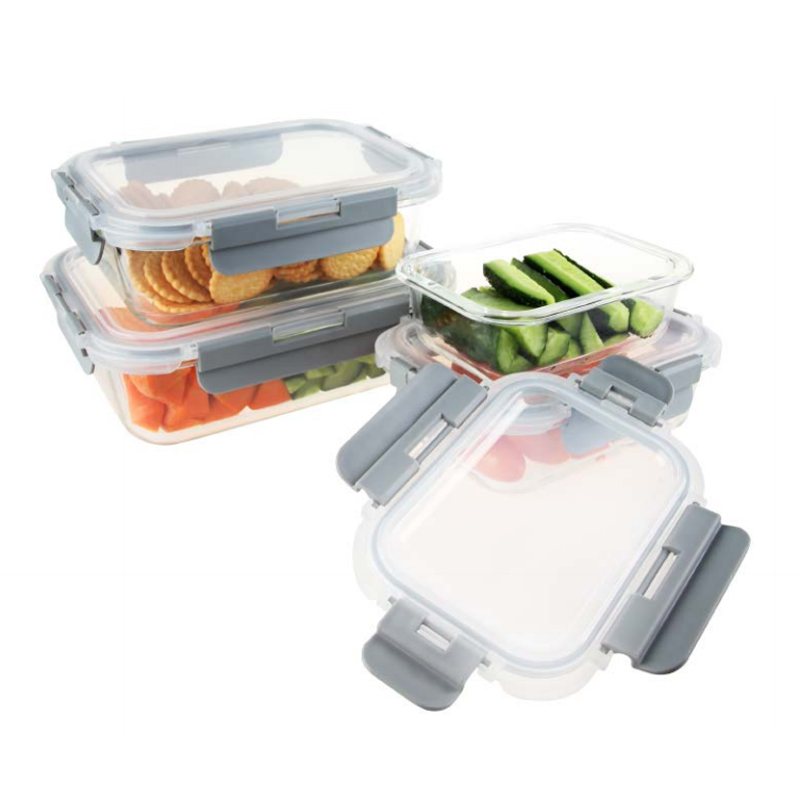
Sourcing glass food storage containers at scale is a high-stakes decision for any foodservice operator or retail brand. A single undetected manufacturing flaw can lead to catastrophic thermal shock breakage during peak kitchen operations. Poor quality products often suffer from premature lid failure, compromised silicone seals, and inconsistent volumetric sizing. These hidden defects frustrate end-users and permanently damage brand reputation in an increasingly competitive market. You must look beyond surface aesthetics. You need a rigorous evaluation framework to systematically vet manufacturers and specific product lines before committing to bulk orders. We will explore the nuances of material durability, functional lid engineering, and reliable supply chain logistics. Read on to discover exactly how you can balance these critical criteria to secure a high-quality product and a dependable manufacturing partner for your business.
Material matters most: Borosilicate glass outperforms tempered glass in thermal shock resistance, making it non-negotiable for true oven-to-freezer applications.
Lids dictate lifespan: The most common point of failure is not the glass, but the locking mechanisms and silicone gaskets; prioritize rigorous lid fatigue testing.
Form follows function: Stackability, nesting capabilities, and compartment designs directly impact operational efficiency for commercial meal prep.
Vetting the right partner: A qualified glass food storage containers supplier must demonstrate verifiable quality control (QC), compliance certifications, and reliable packaging protocols to mitigate shipping damage.
Buyers must understand the chemical differences between glass types. Manufacturers primarily use two materials for food storage: borosilicate glass and standard tempered soda-lime glass. Borosilicate contains boron trioxide. This specific chemical addition fundamentally changes how the material reacts to temperature fluctuations. Standard soda-lime glass lacks this compound. Factories temper soda-lime glass by heating it and cooling it rapidly. This process creates surface tension for strength but does not improve its core heat resistance.
Thermal shock resistance dictates safe kitchen usage. Extreme temperature changes cause materials to expand and contract. Borosilicate boasts a very low coefficient of thermal expansion. It expands minimally when exposed to rapid heating. This structural stability is why borosilicate food containers remain the industry standard. They safely transition directly from a deep freezer into a hot microwave or oven. Tempered glass often shatters under these exact same thermal stress conditions.
You must acknowledge the durability trade-offs. Borosilicate handles extreme heat beautifully. However, tempered glass can sometimes be more resistant to blunt-force physical drops. You need to frame this decision around your primary use case. If you prioritize thermal safety and oven-to-freezer flexibility, choose borosilicate. If your environment involves frequent drops on tile floors, tempered glass might survive slightly better.
Evaluating heat safety requires checking verified maximum temperature limits. Truly reliable oven-safe glass containers usually withstand temperatures around 400°F to 450°F (200°C to 230°C). Always request third-party lab testing reports. Do not rely solely on marketing claims printed on the packaging.
Table 1: Glass Material Performance Comparison
Feature | Borosilicate Glass | Tempered Soda-Lime Glass |
|---|---|---|
Thermal Shock Resistance | Excellent (Oven-to-freezer safe) | Poor (Prone to shattering) |
Blunt Force Durability | Moderate | High |
Chemical Composition | Contains boron trioxide | Standard silica and soda ash |
Primary Application | Baking, freezing, extreme temps | Basic storage, lunch boxes |
The component lifespan gap is a critical evaluation point. High-quality glass lasts for decades. Lids naturally degrade much faster. Buyers often ignore this reality during initial sourcing. You must evaluate the lid engineering just as harshly as the glass formulation. The most common point of failure occurs at the locking mechanism or the sealing gasket.
Locking mechanisms dictate everyday usability. Manufacturers typically offer 4-hinge snap lids or friction-fit silicone lids. Hinge fatigue plagues cheap snap lids. The thin plastic "living hinge" snaps off after repeated bending. You should demand minimum open/close cycle testing data from the manufacturer. High-end lids survive over one million opening cycles without hinge degradation.
Gasket engineering creates the actual seal. True airtight glass containers rely on precision-molded silicone gaskets. Look for gaskets designed to be easily removable. Removable designs allow users to clean trapped moisture and prevent bacterial buildup. The silicone must be thick and non-porous. It needs to maintain a firm, leak-proof seal even after hundreds of punishing dishwasher cycles.
Material safety and odor retention also matter. Factories typically mold snap lids from Polypropylene (PP). You must verify they are truly BPA-free. Low-grade plastics quickly retain foul odors from highly acidic foods or pungent spices. Pigmented foods like tomato sauce easily stain cheap plastic. Ensure your supplier uses stain-resistant PP blends for maximum longevity.
Consider these lid evaluation criteria during your vetting process:
Hinge cycle testing results (aim for >1,000,000 flexes).
Gasket thickness and ease of removal for sanitation.
Third-party BPA-free and food-safe material declarations.
Resistance to warping in high-heat commercial dishwashers.
Commercial kitchens and retail consumers demand space efficiency. Tapered container designs allow empty units to nest inside one another. Nesting saves massive amounts of warehouse storage and precious kitchen shelf space. You also need engineered lid grooves. Deep lid grooves enable secure stacking. Stackable units prevent dangerous tipping accidents inside crowded commercial refrigerators.
Compartmentalization introduces unique engineering challenges. Multi-compartment meal prep containers are highly sought after. However, achieving true liquid-tight seals between internal glass dividers is notoriously difficult. Glass cannot be molded with the microscopic precision of plastic. If the lid's silicone gasket does not press perfectly against the glass divider, sauces will bleed across compartments. This cross-contamination ruins meal prep quality.
Volumetric consistency is non-negotiable for foodservice operations. Restaurants rely on strict portion control to manage food inventory. If a container claims to hold 32 ounces, it must hold exactly 32 ounces. Poor glass molding processes result in varying internal volumes. You must demand strict manufacturing tolerances. Consistent volume ensures accurate portioning and uniform presentation for your end consumers.
You must assess the actual manufacturing capabilities of your chosen factory. A top-tier glass food storage containers supplier owns advanced tooling machinery. They can create custom mold designs quickly. Lower-tier suppliers merely act as middlemen. They only offer off-the-shelf, generic white-label options. Ask for a facility tour or detailed equipment lists to verify their true production capacity.
Integrating your brand identity requires specific technical skills. Successful private label food storage programs depend on precise customization. The factory should offer logo debossing directly onto the glass base. They must provide accurate custom Pantone color matching for plastic lids and protective silicone sleeves. They should also possess strong in-house retail packaging design capabilities.
Compliance and regulatory certifications separate legitimate factories from high-risk vendors. A qualified manufacturer holds these non-negotiable standards:
FDA compliance declarations for the United States market.
LFGB testing reports for the stricter European market.
ISO 9001 certification demonstrating robust facility management.
BSCI or Sedex audits proving ethical labor practices.
You must understand defect rates and Acceptable Quality Limit (AQL) standards. Glass manufacturing is a high-heat, volatile process. Minor imperfections naturally occur. You need to agree on AQL thresholds before production begins. Define exactly how many microscopic bubbles, minor surface scratches, or slight glass warps are acceptable per batch. Clear AQL guidelines prevent costly disputes during final quality inspections.
Logistics planning dramatically impacts your sourcing success. Glass is exceptionally heavy. The weight penalty of shipping glass containers heavily influences your freight strategy. Ocean freight and inland trucking require meticulous payload calculations. You must optimize pallet configurations to maximize shipping container space. High weight combined with poor spatial planning ruins unit economics quickly.
Breakage mitigation is a severe logistical challenge. Glass requires superior packaging protocols. Ask suppliers exactly how they package products for harsh international freight journeys. Look for factories utilizing ISTA-certified drop-test packaging. They should use robust wooden palletization and thick internal corrugated carton dividers. Proper padding minimizes micro-vibrations and prevents transit breakage.
Minimum Order Quantities (MOQs) and lead times vary widely. Standard, off-the-shelf designs often require lower MOQs. Custom-tooled products usually demand much higher MOQs to justify the new mold costs. Be realistic about standard production lead times. A reliable factory usually requires 45 to 60 days for mass production, excluding transit time. Plan your inventory replenishments well in advance to avoid stockouts.
Sourcing reliable glass containers requires diligent evaluation beyond surface appearances. You must prioritize borosilicate chemistry to guarantee thermal shock resistance in demanding kitchen environments. Lid engineering deserves equal scrutiny. Hinge fatigue and gasket failures degrade user experience faster than any glass defect. Partnering with a verified manufacturer ensures you receive consistent volumetric sizing, strict quality control, and secure transit packaging.
Take action today by requesting detailed technical specification sheets from your prospective manufacturing partners. Order physical samples of their highest-rated product lines. Conduct your own in-house stress tests, including dishwasher cycles and thermal shock transitions. Finally, schedule a comprehensive third-party facility audit to verify their tooling capabilities and quality management systems before signing any bulk purchase agreements.
A: Yes, many reputable manufacturers offer replacement lid programs. Lids naturally degrade faster than glass due to hinge fatigue and silicone wear. Suppliers providing separate replacement lids offer a major competitive edge. It solves a primary end-user pain point and significantly extends the usable life of the glass base.
A: FDA certification meets standard United States food safety regulations. LFGB is the European standard and is generally much stricter. LFGB testing involves rigorous chemical extraction tests, particularly concerning the silicone and plastic lid components. Passing LFGB indicates a higher overall grade of non-toxic material safety.
A: For standard existing molds, suppliers typically require an MOQ of 1,000 to 3,000 pieces per size or color. If you require custom glass shapes or embossed logos in the mold, MOQs often start at 5,000 to 10,000 pieces to justify the factory's bespoke tooling costs.
A: True leak-proof separation between glass compartments is incredibly difficult to achieve. Glass molding lacks the precise tolerances of injection-molded plastic. Even with deep silicone lid grooves, thin liquids or sauces can occasionally seep over the glass divider during aggressive tilting or transport. They work best for separating solid foods.


