
Views: 0 Author: Site Editor Publish Time: 2026-10-13 Origin: Site


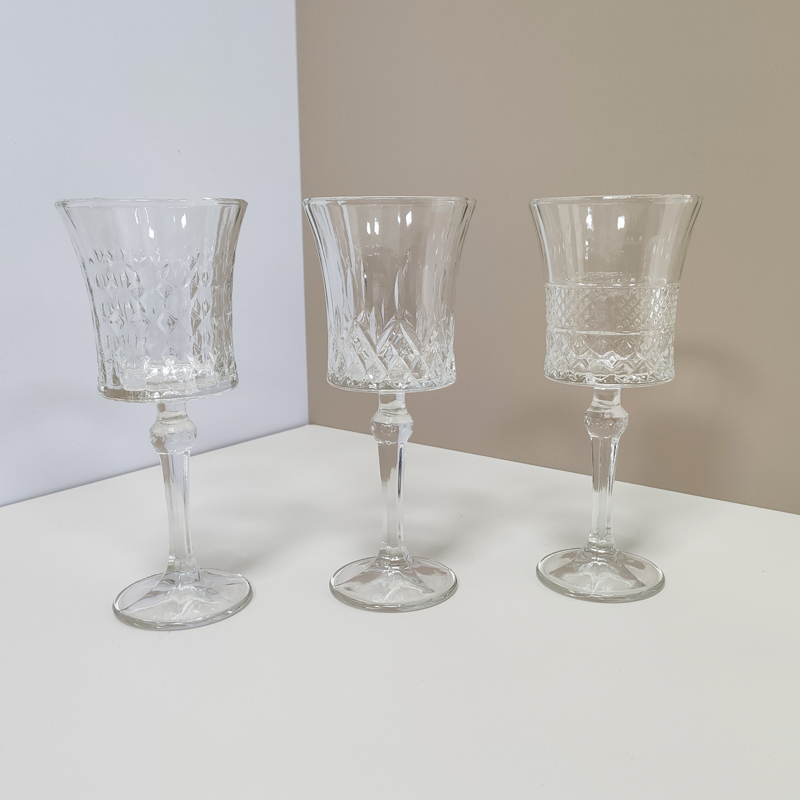
Food and beverage directors face a constant, frustrating struggle on the floor. Stunning glassware acts as a primary driver of perceived beverage value for guests. Yet, these fragile items represent one of the highest recurring operational overheads due to relentless breakage.
Selecting commercial drinkware goes far beyond chasing basic table aesthetics. Operators must carefully align menu pricing with actual material durability. Front-of-house visual appeal must always balance against back-of-house realities. Storage constraints, cup rack measurements, and fast-paced dishwashing workflows play a massive role in this vital decision.
This comprehensive guide provides a bottom-of-funnel framework specifically for operations managers. We will explore how to confidently evaluate various structural styles. You will learn how to accurately assess commercial durability based on manufacturing methods. Finally, we will show you how to properly vet partners for secure, long-term procurement.
Match Material to Margin: High-end crystal elevates perceived value but requires specific handling; fully tempered glass reduces replacement costs for high-volume venues.
Categorize by the "Big Three": Simplify inventory by standardizing your core lineup across water/soft drinks, wine service, and bar/beer service before adding specialty pieces.
Operations Dictate Selection: Cup rack compatibility, storage footprint, and thermal shock resistance are just as critical as the glass's design.
Supplier Reliability equals Cost Control: Choosing a reliable restaurant glassware supplier ensures consistent par levels and protects against supply chain disruptions on custom or proprietary pieces.
Operators often fall into the trap of purchasing the cheapest available options. However, evaluating drinkware strictly by its upfront sticker price is a dangerous financial oversight. Instead, savvy managers rely on a metric known as "Cost-Per-Use" (CPU). You calculate CPU by dividing the initial purchase price by the number of times a glass survives service before breaking.
Buying cheap, brittle glasses guarantees a high replacement rate. You might save a dollar upfront, but you will spend five dollars replacing that same item over a busy year. High breakage rates quickly inflate your annual replacement budget. Standardizing your inventory around durable pieces ultimately lowers your long-term operational costs.
You can define success in this category by balancing two distinct metrics. First, your glassware must increase your ability to upsell. Premium cocktails simply look better in high-clarity, beautifully designed vessels. A visually striking presentation justifies a higher menu price point. Second, you must maintain a breakage rate well below the industry average. High-volume venues typically see a 10% to 20% monthly breakage rate. Your goal is to push that number down into the single digits.
We must also address the implementation reality on the restaurant floor. Hidden costs emerge rapidly when you manage mismatched inventory. When glasses break and you cannot replace them identically, table settings become glaringly inconsistent. A table featuring three different styles of water goblets damages brand perception. Guests notice these discrepancies. It signals a lack of attention to detail, which subtly degrades the overall dining experience.
Prioritizing intricate designs over structural stability.
Ignoring the physical limitations of the dish pit.
Failing to track weekly breakage metrics to identify handling issues.
Building a resilient inventory requires strategic categorization. You should avoid buying a unique vessel for every single menu item. Instead, streamline your purchasing by organizing your core lineup into the "Big Three" categories. This approach simplifies ordering, makes storage easier, and keeps your bar moving efficiently.
Your primary workhorses live in this category. Standard drinking glasses carry the heaviest volume load in any establishment. These include highballs, standard tumblers, and large iced tea coolers. They touch nearly every table and run through the wash cycle constantly.
In fast-paced environments, stackability becomes a non-negotiable feature. Bartenders and bussers need to carry multiple pieces safely. Furthermore, you must look for items with exceptionally thick bases. A heavy base lowers the center of gravity, preventing accidental spills. It also absorbs the blunt impact when staff quickly slam them onto hard server stations.
Wine service requires a delicate balance between sensory preservation and physical durability. You will frequently debate the merits of traditional stemmed wine glasses versus modern stemless options. Stems serve a critical functional purpose. They prevent the heat of a guest's hand from transferring into the bowl, thus protecting the wine's temperature and integrity.
However, stems present significant operational hazards. They raise the center of gravity, making tips easily. More importantly, tall stems carry a high snap risk inside commercial dishwashers. Stemless designs drastically reduce this breakage but sacrifice a degree of traditional elegance. For premium tableside service, you might also integrate glass decanters. Decanters offer a phenomenal upselling opportunity. They turn a simple bottle order into a theatrical tableside experience, highly valued in fine dining.
The bar environment is inherently rough. Bartenders work fast, and guests often engage in heavy-handed cheers. Your bar inventory must withstand blunt force impacts against ice scoops, tap handles, and hard bar rails.
Standardizing your beer mugs, classic pint glasses, and sturdy rocks glasses is essential. This standardization directly controls your pour costs. Ounce capacity impacts liquor margins drastically. If your bartenders pour a mixed drink into a 12-ounce tumbler instead of a 10-ounce tumbler, your liquor cost percentage skyrockets. Strict volumetric consistency protects your profits.
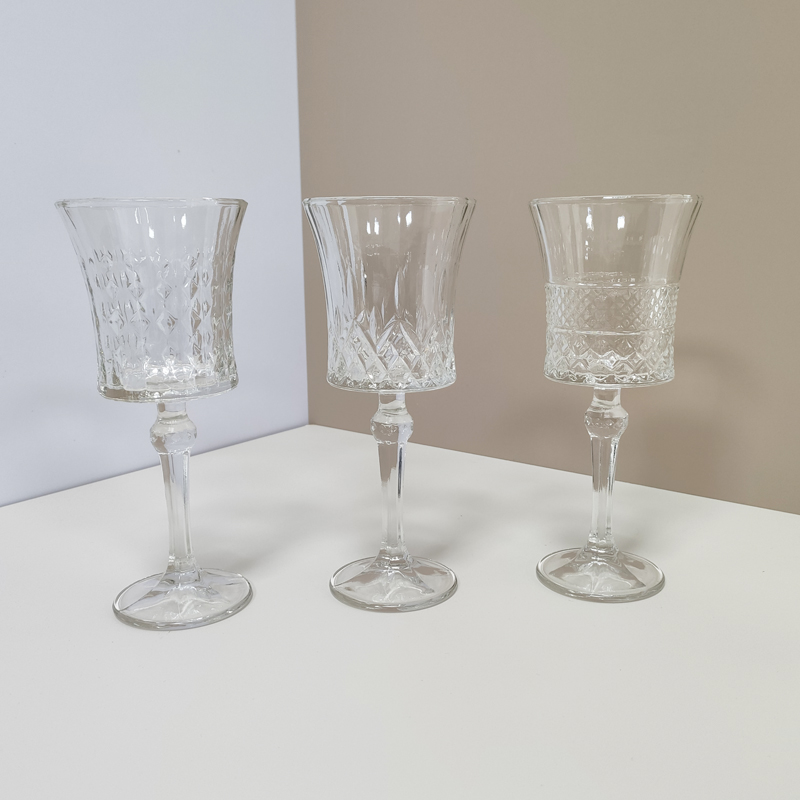
Buyers need a clear, evidence-based criteria to make informed decisions. Commercial drinkware differs fundamentally from residential products. Understanding how manufacturers treat these materials helps you predict how they will perform under extreme daily stress.
Standard annealed glass undergoes a very basic cooling process. While affordable, it breaks into sharp, jagged shards upon impact. This creates a severe safety hazard for your staff and guests. Cleaning up microscopic shards during a dinner rush disrupts service entirely.
Fully tempered glass provides a superior alternative for high-volume venues. Manufacturers rapidly cool the material during production, creating incredible internal tension. This process makes it highly resistant to both mechanical shock (drops) and thermal shock (sudden temperature changes). When fully tempered items do break, they shatter into dull, granular cubes. This makes cleanup faster and significantly safer for everyone involved.
Operators frequently assume the word "tempered" means unbreakable. This is a costly misconception. You must read the fine print. Rim-tempered products only feature strengthening treatments around the top lip. This specific treatment drastically reduces edge chipping, which is common when glasses clink together. However, the bowl and base remain standard annealed glass.
Fully tempered products treat the entire body. From the rim down to the base, the vessel boasts maximum durability. If you operate a high-turnover casual dining concept, fully tempered options provide the best defense against constant daily abuse.
The rim dictates the guest's tasting experience. Sheer rims feature a very thin, cleanly cut edge. They elevate the sensory experience of drinking fine wine or craft cocktails. The thin profile allows the liquid to flow seamlessly onto the palate. Unfortunately, sheer rims chip very easily under commercial strain.
Rolled rims feature a distinct, thicker bead of glass around the top edge. Manufacturers build them specifically for high-volume durability. They resist chipping remarkably well when bussers stack them. The trade-off is a slightly clunkier, thicker feel on the guest's lips. You must decide which rim style aligns best with your specific dining concept.
Table: Comparison of Commercial Glass Manufacturing Types
Manufacturing Type | Durability Level | Breakage Pattern | Best Use Case |
|---|---|---|---|
Standard Annealed | Low to Moderate | Sharp, dangerous shards | Low-volume, gentle handling venues |
Rim-Tempered | Moderate (Chip Resistant) | Sharp shards (bowl/base) | Busy bars needing chip prevention |
Fully Tempered | Very High | Dull, granular cubes | High-volume, fast-casual operations |
Even the most durable materials will fail if you ignore backend operational realities. Managers often roll out a beautiful new inventory without consulting the dishwashing team. This oversight leads to immediate catastrophic losses.
Never buy drinkware without measuring your existing dish racks first. This is a critical operational rule. Commercial dishwashers utilize specific peg racks and compartment sizes. If you purchase items that are too wide, they will rub against each other. Improperly fitted items vibrate violently during the high-pressure wash cycle. This vibration causes micro-fractures, which eventually lead to shattering.
Similarly, pay attention to height. Tall stems might clear the top rack of a residential machine, but they often get crushed by the pull-down door of a commercial hood-type dishwasher. Always verify the maximum clearance height of your dish pit equipment.
Thermal shock occurs when glass experiences a rapid, extreme change in temperature. The material expands when heated and contracts when cooled. When this happens too quickly, the structure literally tears itself apart.
A common operational danger occurs during peak hours. A barback pulls a rack of freshly washed, piping hot vessels from the dishwasher. They immediately carry them to the front and plunge them into an ice bin to make cocktails. The sudden shift from 180°F to 32°F causes immediate shattering. You must build cooling buffer times into your operational workflows.
Space represents money in a restaurant. You must meticulously evaluate your shelf space limits. Wide-bowl designs require significantly more linear shelf space than straight-sided tumblers. You cannot stack delicate bowls. Therefore, adopting them means you might need to install specialized hanging racks under your cabinets.
If you lack vertical storage, you might be forced to keep overflow boxes in a cramped back hallway. This increases the likelihood of accidental drops. Always measure your actual bar shelving before committing to a wide-bellied silhouette.
Your procurement strategy dictates your operational stability. Shortlisting the right vendor requires investigating their supply chain health. A beautiful glass is useless if you cannot order more of it when you inevitably run out.
You must ensure your chosen restaurant glassware supplier guarantees multi-year stock continuity. Manufacturers frequently discontinue seasonal or trendy lines. If your supplier drops your core line after six months, you face a miserable choice. You must either mix-and-match varying styles on your tables, or you must spend thousands to replace the entire fleet.
Ask vendors for historical data on their product lines. Reliable partners champion core collections that have remained in active production for over a decade. This stability protects your initial capital investment.
There are distinct economic advantages to purchasing wholesale glassware. Bulk ordering significantly reduces the per-unit cost. However, it requires a larger upfront capital expenditure. You must balance this cash flow reality against operational risk.
Running below your established "par levels" during a peak holiday season creates chaos. Bartenders end up serving premium cocktails in cheap water tumblers because they ran out of proper rocks glasses. Buying wholesale ensures you have enough buffer stock locked safely in your dry storage.
Many restaurants want etched or custom-branded logos on their pieces. While this boosts brand identity, it introduces severe supply chain friction. Custom pieces always carry substantially longer lead times.
If you rely on a standard unbranded item, a local distributor can likely deliver a replacement case by tomorrow morning. If you rely on custom etching, you might wait four to six weeks for delivery. Buyers who choose customization must tie up more cash by maintaining much higher on-site buffer inventories.
Use this rigorous 3-point checklist when evaluating a new vendor:
Ask for breakage warranties: Reputable commercial manufacturers often provide a rim-chip warranty. They will replace items that chip under normal use within a specific timeframe.
Verify lead times on core lines: Get their delivery promises in writing. Ask what happens if an item goes on backorder.
Request sample pieces for a stress test: Never buy a full fleet blindly. Demand a half-dozen samples. Run them through your specific dishwasher for a one-week live service stress test to see how they handle your exact chemical mix.
The right drinkware strategy sits squarely at the intersection of guest experience and operational reality. You cannot afford to prioritize aesthetics while ignoring the brutal physics of a commercial dish pit. Smart operators recognize that true durability directly protects profit margins.
Calculating true return on investment means looking past the initial invoice. You must strictly factor in the purchase price, the expected lifespan based on material science, and the supplier's ability to seamlessly restock your shelves. A beautiful glass that breaks easily and takes months to replace is a liability, not an asset.
Take action today. We encourage F&B operators to conduct a comprehensive audit of their current inventory. Identify mismatched items, track your weekly breakage, and reach out to a vetted wholesale partner for a customized sample kit. Take control of your beverage program from the ground up.
A: You should order based on established "par levels." Typically, you need 1.5x to 3x your total seating capacity for each core glass type. This buffer depends heavily on the specific drink type's popularity and the turnaround speed of your wash cycle during peak dining rushes.
A: Cloudiness usually stems from hard water etching and chemical abrasion. Commercial dishwashers use highly aggressive sanitizing chemicals. If your detergent calibration is incorrect, or if you lack a proper water softener, these minerals and chemicals permanently scratch and dull the surface over time.
A: Industry norms are shifting rapidly. While they reduce breakage significantly, stemless designs are generally reserved for high-volume, casual-chic, or modern concepts. Traditional fine dining establishments still heavily favor stems to prevent hand heat from warming premium vintages.


