
Views: 0 Author: Site Editor Publish Time: 2026-06-19 Origin: Site


Every day, people face a frustrating kitchen dilemma right before mealtime. You must constantly choose between the chemical risks of microwaving plastic and the physical risk of shattering glass. This daily choice creates unnecessary anxiety for home cooks everywhere.
While inert containers remain universally superior for reheating food, using the wrong type creates serious hazards. A simple mistake can lead to violent thermal shock, ruined meals, or dangerous appliance fires. Many consumers simply do not know what specific materials hide inside their own cabinets. Unmarked containers only add to this dangerous confusion.
This guide provides a definitive framework for evaluating your current kitchen inventory. You will learn how to test your items safely and confidently using proven methods. Ultimately, you will make highly informed purchasing decisions to upgrade your kitchen setup.
Not all glassware is microwave-safe; safety depends entirely on the chemical composition (e.g., borosilicate vs. soda-lime) and manufacturing process.
Standard glass can shatter from a temperature shift as minor as 16°C (60°F) due to thermal shock.
You can verify unmarked glassware using a controlled 1-minute water test.
Even microwave-safe glass has limits: avoid heating longer than 3 minutes or moving items directly from the freezer to the microwave.
Understanding why containers fail requires a quick look at material physics. When you heat non-compliant containers, several invisible forces start working against you immediately.
Thermal Shock & Rapid Temperature Changes: Materials naturally expand when heated. Uneven expansion rates cause severe stress fractures. Non-treated materials remain highly vulnerable to sudden temperature shifts. Imagine pulling cold leftovers from the fridge and microwaving them on high power immediately. The intense energy heats the food rapidly. The inner surface of the container touches the boiling food and expands. Meanwhile, the outer surface remains cold and rigid. This opposing tension literally tears the material apart from the inside out.
Invisible Micro-Cracks: Normal wear and tear heavily compromises structural integrity over time. You might drop a container slightly or bump it against a hard ceramic sink while washing it. These minor impacts create microscopic damage. A micro-crack invisible to the naked eye acts as a critical weak point. Under intense microwave radiation, this tiny flaw expands violently. The structural tension focuses entirely on this microscopic gap. Eventually, the flaw yields and shatters the dish completely.
Air Bubbles and Manufacturing Inconsistencies: Budget manufacturing processes often trap tiny pockets of air inside the container walls. Trapped air expands rapidly when heated. This creates localized pressure points inside the solid structure. As the air heats up, it demands more space. The solid walls resist this expansion. Eventually, the internal air pressure exceeds the tensile strength of the surrounding material. The resulting explosion can easily ruin your appliance and ruin your dinner.
Metallic Presence: You must carefully watch out for decorative accents. Metallic rims, gold trims, and leaded crystal contain highly conductive elements. Electromagnetic waves bounce off these metals aggressively. This reaction causes severe arcing. Arcing produces visible sparks inside the appliance cavity. These sparks create serious fire hazards and can permanently damage the sensitive internal magnetron.
You cannot treat all kitchen materials equally. Not all Glassware behaves the same under thermal stress. You need a clear decision-making matrix to evaluate your inventory safely. This section will guide you on which materials to trust and which to phase out.
Engineers create this remarkable material by adding boron oxide to the traditional silica mixture. This specific chemical addition gives it a remarkably low coefficient of thermal expansion. It barely changes shape under extreme heat. Laboratory beakers and premium kitchen brands rely heavily on this formulation for intense heating tasks. It resists thermal shock better than any alternative.
Verdict: This represents the safest investment for daily microwave use. It handles heat exceptionally well.
Manufacturers heat-treat this material specifically to withstand high temperature fluctuations. They heat it intensely and then cool it rapidly. This cooling process creates a tough, compressed outer layer. It handles physical drops much better than standard options. However, it still retains some vulnerability to extreme temperature swings. A deep scratch can compromise the entire tempered tension network.
Verdict: This remains generally safe for meal prep containers. You can use it confidently provided there are no surface scratches.
This serves as the standard material for everyday decorative items. You will frequently find it in colored bottles, budget drinking cups, and basic mason jars. It costs very little to produce on a massive scale. Unfortunately, it expands rapidly and unevenly when exposed to heat.
Verdict: Avoid microwaving this completely. It remains highly susceptible to thermal shock. It can easily crack from just a 16°C (60°F) temperature delta.
Material Type | Thermal Expansion | Shock Resistance | Microwave Verdict |
|---|---|---|---|
Borosilicate | Very Low | Excellent | Highly Safe |
Tempered | Medium | Good | Conditionally Safe |
Soda-Lime | High | Poor | High Risk / Unsafe |
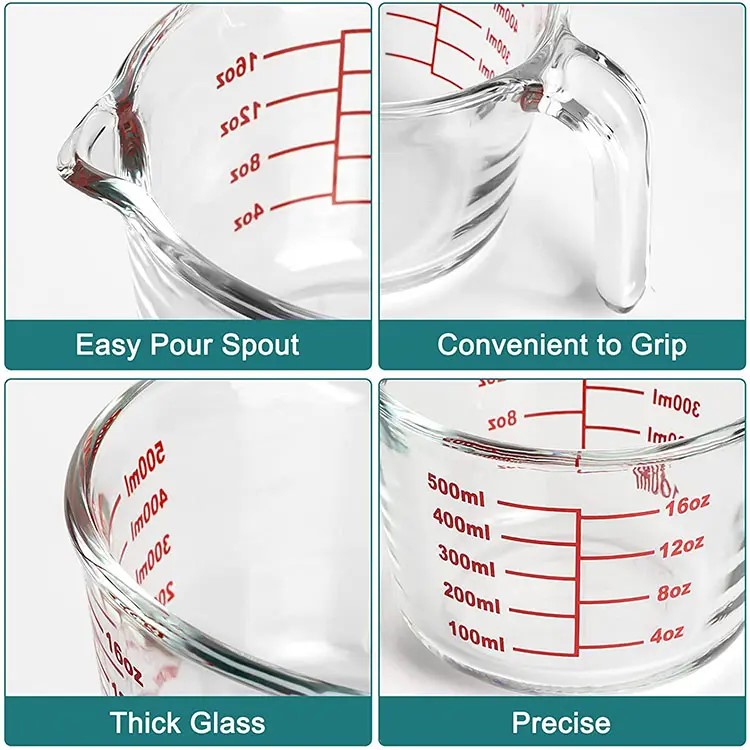
Many people own unmarked containers scattered throughout their kitchen cabinets. You need practical, experience-driven steps to evaluate these mystery items. Follow this straightforward audit process to test your current glass cups and glass bowls.
Step 1: The Visual & Label Inspection. Turn your container upside down. Look closely for the standard microwave-safe symbol molded into the bottom. You will usually see tiny wavy lines. Check carefully for any chips or deep scratches along the rim. Discard items bearing metallic paint, gold trims, or intricate painted decorations. These superficial elements often contain hidden metals.
Step 2: The 1-Minute Water Test Protocol. You can test unmarked pieces safely using basic physics. Place a known microwave-safe mug filled completely with water inside your appliance. Place the empty, targeted piece of glass right next to it. Heat them together on high power for exactly one minute. The water will absorb the microwave energy safely.
Evaluation Criteria: Touch the empty item cautiously. If it remains completely cool or only slightly warm, it is safe. This means the material does not absorb microwaves directly. If it feels noticeably hot, it is structurally unsafe. You should restrict hot items to cold storage use only.
Step 3: Brand Identification. You can often deduce chemical composition through legacy brand markers. Inspect older vintage pieces very closely. For example, legacy kitchen items featuring a capital letter "PYREX" logo usually contain high-quality borosilicate. Manufacturers produced these explicitly for extreme oven heat. Conversely, newer pieces stamped with a lowercase "pyrex" logo often utilize tempered soda-lime instead. They changed the formula to reduce manufacturing costs while improving impact resistance.
Even if you own the right materials, severe user error can cause unexpected damage. You must use these items correctly to avoid physical injury. Follow these operational rules strictly.
The 3-Minute Rule: Industry experts strongly recommend limiting continuous heating cycles. You should limit microwave sessions to three minutes maximum. If your food requires more time, heat it in short intervals. Stir the food between intervals. This simple habit prevents catastrophic material failure caused by prolonged radiation exposure.
Beware of Secondary Heat Transfer: Microwave-safe containers do not absorb energy directly. However, the food inside certainly does. The boiling food will conduct intense heat rapidly back into the container walls. The vessel will become dangerously hot to the touch. Always mandate the strict use of heat protection like oven mitts when removing your meals.
Avoid the Freezer-to-Microwave Pipeline: Extreme temperature swings destroy even premium kitchen items. You must absolutely avoid moving containers directly from freezing environments to boiling environments. Always let frozen meals thaw in the fridge overnight. Alternatively, let them rest at room temperature for several hours before reheating.
Ventilation is Mandatory: Steam expands powerfully inside sealed environments. You must remind users to vent lids on all containers. Escaping steam prevents dangerous internal pressure buildup. Trapped steam acts as a powerful secondary cause of sudden explosions. Simply leave the lid resting loosely on top.
Warning Sign | Likely Cause | Required Action |
|---|---|---|
Sparks during heating | Hidden metallic elements or paint | Stop appliance immediately; discard item |
Container is too hot to touch (empty) | Material absorbs microwave radiation | Downgrade to cold food storage only |
Visible hairline cracks | Repeated thermal shock or drops | Recycle immediately to prevent explosion |
Eventually, you will need to replace failing or outdated containers. You should approach your next purchase with strict safety criteria. These practical guidelines will help you buy much better products.
Prioritize Material Over Aesthetics: Visual appeal matters far less than baseline kitchen safety. We urge buyers to look explicitly for "borosilicate" on the actual packaging. Check the detailed spec sheet for "heat-resistant glass" designations. Do not settle for generic marketing terms. Fancy colors often indicate cheaper soda-lime materials. Focus entirely on the engineering specifications.
Look for Multi-Appliance Certification: High-quality items usually carry multiple environmental ratings. We highly recommend purchasing items rated simultaneously for oven, microwave, and freezer use. This comprehensive rating indicates a much higher baseline of thermal stress resistance. It ensures the item survives daily kitchen chaos. Products lacking these certifications cut corners during testing.
Avoid "Mystery Glass": Budget stores frequently sell ultra-cheap, unbranded items. We strongly advise against buying these for hot-food storage. Thickness variability heavily plagues budget manufacturing. Hidden air bubbles remain incredibly common in these cheap alternatives. You risk sudden breakage every single time you use them. Invest slightly more upfront to guarantee long-term safety.
You can confidently heat meals when you truly understand your materials. Reheating food requires careful decision-making and proper safety protocols.
Inert materials remain overwhelmingly superior to plastic for reheating, provided you select the right type.
Auditing your current kitchenware using the 1-minute water test yields immediate safety benefits for your household.
Upgrading to durable borosilicate options represents a highly valuable, long-term investment in kitchen safety.
Following strict heating time limits ensures even the best containers survive daily use without premature failure.
Take action to protect your home today. Go to your kitchen right now. Audit your current containers using the straightforward water test protocol. Replace questionable, scratched, or unmarked items immediately. Upgrade to verified, heat-resistant alternatives to protect your appliances and your meals.
A: Yes. If the container remains completely intact, the food is perfectly safe. Unlike plastics, inert materials do not leach harmful chemicals into your meal upon heating. As long as no physical shards enter the food, you can enjoy your meal without any health anxieties.
A: Generally, no. Manufacturers produce most standard mason jars using basic soda-lime mixtures. They are designed for traditional water bath canning, not rapid electromagnetic heating. They can easily crack or shatter under the sudden thermal stress. Always transfer your contents to a properly rated dish instead.
A: Even highly heat-resistant dishes have physical limits. If all the moisture evaporates from your food, the dry ingredients create extreme, localized hot spots. Additionally, the dish might have harbored pre-existing, invisible micro-cracks from prior drops. These tiny flaws expand violently under intense stress, causing sudden explosions.
A: It strictly depends on the manufacturing quality. Premium borosilicate can usually handle it safely. However, to minimize any risk of thermal shock, you should let it sit at room temperature for a few minutes first. This brief resting period drastically reduces the physical stress on the container walls.


