
Views: 0 Author: Site Editor Publish Time: 2026-06-14 Origin: Site


Many people believe hand-washing delicate glassware is the safest approach available. You might assume your kitchen sink provides a gentle alternative to the aggressive spray of a mechanical washer. However, industry consensus points to a surprising paradox. Most breakage actually happens right in the kitchen sink due to human error. Soapy hands, slippery surfaces, and improper twisting motions frequently snap delicate stems or shatter fragile bowls.
Top-tier glassmakers now explicitly design modern drinkware specifically for safe machine washing. They engineer these items to survive high water pressure and commercial detergents. We will explore exactly which materials can handle the machine and which settings prevent damage. You will also learn how to stop long-term degradation like hard water clouding or irreversible etching for good. By following this guide, you can confidently clean your favorite drinkware without risking unnecessary damage.
Modern, lead-free wine glasses are generally dishwasher safe and often fare better in machines than being washed by hand.
**Stemless wine glasses** and those made from Tritan crystal are the most resilient options for daily dishwasher use.
High temperatures and heated drying cycles are the primary culprits for thermal shock and long-term glass degradation.
"Cloudy" glasses are typically the result of hard water mineral buildup (fixable) or permanent microscopic etching (irreversible), requiring specific detergent choices to prevent.
Antique, hand-painted, or lead crystal glasses must always be hand-washed.
Understanding glass chemistry is crucial before you load your machine. Manufacturers use widely different materials to craft modern drinkware. These materials react differently to water pressure, extreme heat, and alkaline cleaning agents. You must identify your glassware composition to avoid permanent damage.
Traditional lead crystal contains high levels of lead oxide. This compound gives antique drinkware its signature brilliance and heavy weight. Unfortunately, lead oxide chemically reacts to harsh alkaline detergents. Extreme heat accelerates this destructive chemical process. When you wash lead crystal in a machine, it develops permanent, milky clouding. You can never reverse this damage once it occurs.
Modern glassmakers solved this problem by eliminating lead. They developed lead-free crystal reinforced using durable elements like titanium or zirconium. Tritan crystal is a prime example of this innovation. These materials resist scratches and survive hundreds of mechanical wash cycles. They retain their brilliant clarity without degrading. If you purchase newly manufactured glassware today, it likely utilizes this resilient, lead-free chemistry.
Physical shape dictates mechanical risk inside a washing machine. Standard stems create dangerous leverage points. When pressurized water jets hit a tall glass, the stem absorbs immense stress. If you load them improperly, they easily snap under pressure. Tall stems also collide easily against upper racks.
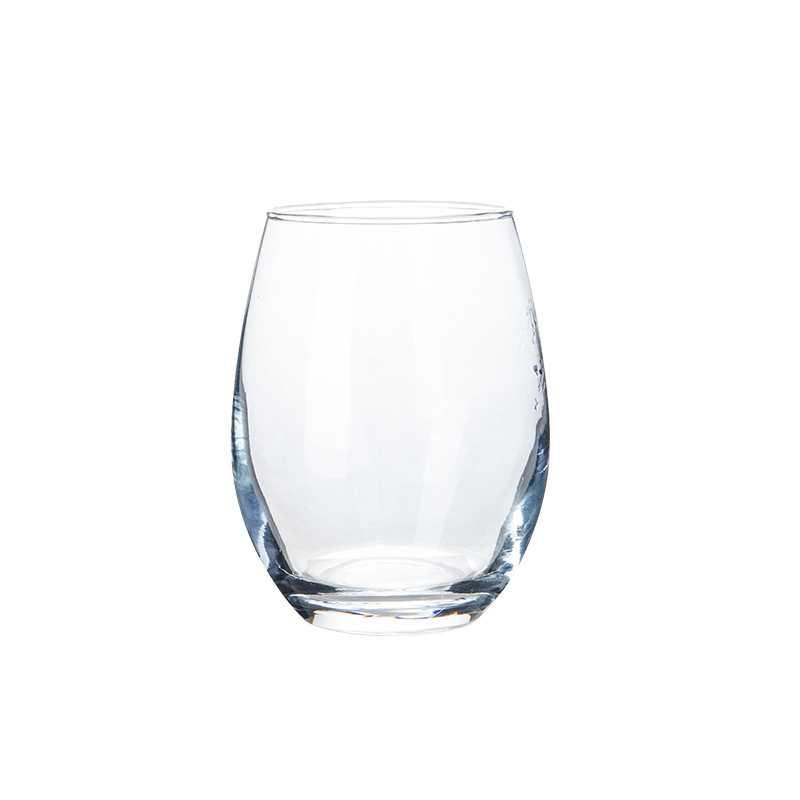
By removing the fragile stem, manufacturers drastically reduce breakage risks. You will find that stemless wine glasses represent the optimal choice for high-frequency machine washing. Their low center of gravity keeps them firmly anchored during aggressive wash cycles. They rarely tip over, and they fit comfortably inside standard top racks. This compact design eliminates the physical leverage points responsible for most fractures.
Outdoor dining heavily relies on shatterproof materials. Manufacturers frequently mold BPA-free plastics and acrylics into traditional shapes. These materials offer distinct advantages and specific vulnerabilities.
Shatter Resistance: Plastics easily survive drops onto hard patios. They will not shatter inside a turbulent machine.
Heat Warping: Standard acrylic responds poorly to intense heat. Hot water can warp the rims or melt thin sections.
Micro-Scratching: Abrasive powder detergents easily gouge soft plastics. Over time, these micro-scratches make the material look dull and dirty.
If you choose acrylics, always place them far from exposed heating elements. Use mild, liquid detergents to preserve their smooth finish.
Material Dishwasher Compatibility Summary | ||
Material Type | Dishwasher Safe? | Primary Risk Factor |
|---|---|---|
Lead Crystal | No | Chemical clouding from lead oxide reaction. |
Lead-Free Crystal (Tritan) | Yes | Minimal; highly resilient to heat and chemicals. |
Standard Glass | Yes | Physical impact from tipping. |
Acrylic / Plastic | Conditional | Heat warping and micro-scratching. |
Machine washing requires careful strategy. You cannot simply toss delicate items into an empty rack. Proper loading techniques and cycle selections determine the survival of your glassware. Industry experts recommend a specific protocol to mitigate structural risks.
Location matters immensely when organizing your machine. You must minimize vibration and prevent physical impacts. Follow these specific loading rules to protect your items:
Zone Placement: Always utilize the top rack. Many modern machines feature dedicated glass zones equipped with silicone grips. These mats securely cradle the base and prevent hazardous rattling.
The Anchor Method: Delicate stems require structural support. Place a thicker, heavier glass directly next to them. This sturdy neighbor acts as an anchor, preventing the fragile item from tipping over.
Isolation Rule: Never wash delicate drinkware alongside heavily soiled pots. Thick grease transfers easily onto crystal surfaces. Hard food particles can dislodge and deeply scratch smooth glass bowls.
Clearance Checks: Gently spin the upper spray arm before closing the door. Ensure it easily clears the tallest rims.
Modern appliances offer multiple wash intensities. Choosing a heavy-duty cycle will inevitably destroy fragile rims. You must mandate the use of the "Delicate," "Glass," or "Gentle" cycle. These settings lower the water pressure and reduce the overall temperature.
Crucial risk mitigation involves temperature control. You must explicitly disable the "Heated Dry" function. Extreme heat followed by rapid cooling causes thermal shock. This sudden temperature change forces the glass molecules to expand and contract violently. Thermal shock is a leading cause of structural failure. Let your items air dry naturally by cracking the machine door open after the cycle ends.
Cleaning chemistry deeply impacts longevity. Heavy-duty detergent pods frequently contain built-in abrasives. These coarse particles scrub baked-on food, but they aggressively scour glass surfaces. You should avoid them completely when washing delicate items.
We recommend enzyme-based, unscented detergents. Enzymes break down organic wine residues gently. Unscented formulas prevent chemical odors from clinging to the glass. You must also use a high-quality rinse aid. Rinse aids reduce water surface tension, allowing droplets to sheet off rather than dry in place. If your home has hard water, add dishwasher salt to the designated reservoir. This neutralizes destructive minerals and prevents stubborn streaks.
After repeated washing cycles, you might notice a hazy white film developing. This cloudiness ruins the aesthetic appeal of your table setting. Problem framing is your first step. You must accurately evaluate the root cause before attempting any chemical fix. There are two primary reasons for this haze, and only one is reversible.
Hard water contains high concentrations of calcium and magnesium. When droplets evaporate during the drying phase, they leave these minerals behind. Over time, they accumulate into a stubborn, chalky residue. This buildup creates a cloudy appearance, but it does not permanently damage the underlying structure.
You can easily reverse this common symptom using mild acids. Soak the affected items in a weak acetic acid solution. Mix warm water and standard white vinegar in your sink. Let the items submerge completely for one hour. The acid safely dissolves the alkaline mineral buildup. Alternatively, you can use a pure citric acid powder for tougher stains. Rinse everything thoroughly with warm water afterward.
Diagnostic Chart: Identifying White Film | ||
Symptom Test | Mineral Deposit (Hard Water) | Silicate Etching (Soft Water) |
|---|---|---|
Vinegar Wipe Test | Cloudiness disappears immediately. | Cloudiness remains unchanged. |
Scratch Test (Fingernail) | Feels slightly chalky or bumpy. | Feels subtly rough or pitted. |
Color Tone | White or grayish haze. | Iridescent, rainbow-like or milky. |
Etching represents permanent structural damage. This phenomenon occurs through microscopic pitting on the surface. Ironically, excessively soft water combined with excessive detergent causes this issue. When water lacks minerals, highly alkaline detergents begin extracting silicates directly from the glass. Extreme heat accelerates this destructive chemical extraction.
You cannot reverse silicate etching. No amount of scrubbing or acid soaking will repair missing glass molecules. Therefore, prevention is your only defense. Reduce your detergent dosage significantly if you utilize a home water softener. Always skip the drying cycle to keep internal temperatures strictly controlled.
Despite modern appliance advancements, manual cleaning remains mandatory for certain items. Recognizing these exceptions protects your most valuable pieces from immediate destruction.
You must establish strict exceptions to machine washing. Keep the following items far away from your appliance:
Antiques: Older manufacturing techniques lacked modern temper strengthening. They fracture easily under standard spray pressures.
Metal-Rimmed Designs: Gold, silver, or platinum foil easily flakes off under hot, alkaline conditions.
Artisanal Blown Glass: Ultra-thin, hand-blown pieces possess unique micro-stresses. Machines exploit these hidden weaknesses.
Lead Crystal: As established, these will permanently cloud due to chemical reactions.
When you must wash manually, follow standardized safety procedures. The American Cleaning Institute provides excellent guidelines to eliminate accidental sink breakage.
Sink Preparation: Never wash over an exposed porcelain basin. Line the bottom of your sink with a soft cotton towel or a dedicated silicone mat. This layer absorbs accidental impacts if an item slips from your grasp.
Handling Technique: Always hold the glass firmly by the bowl. Never grip the base and twist the bowl in opposite directions. This twisting motion generates massive torque, easily snapping the delicate stem in half.
Detergent Control: Residue ruins beverage flavor profiles. Use a minimal drop of unscented soap. Apply this soap exclusively to the rim and the exterior base. Avoid heavily soaping the interior bowl to prevent stubborn chemical residues.
Water Temperature: Use lukewarm water exclusively. Drastic shifts from cold to hot water trigger rapid thermal shock.
Drying your drinkware correctly prevents water spots and lint accumulation. Hospitality professionals utilize a specific polishing method to achieve flawless clarity.
First, boil a pot of water. Ideally, you should use distilled or descaled water to prevent airborne mineral deposits. Hold your clean item carefully above the rising vapor. Allow the hot steam to coat the entire bowl. This pure moisture loosens any remaining smudges or soap residues.
Next, polish it gently using two oversized microfiber cloths. Microfiber grips microscopic dirt without leaving lint behind. Hold the base with one cloth to prevent fresh fingerprints. Use your other cloth to gently wipe the interior and exterior of the bowl simultaneously. Apply even, gentle pressure without twisting the structural joints.
Determining the safest cleaning method comes down to a clear decision matrix. Daily-use, lead-free items, and durable wine glasses absolutely belong in the dishwasher. You merely need to employ gentle settings and skip the heated dry cycle. In contrast, family antiques, metal-rimmed cups, and traditional lead crystal always belong in the sink.
When evaluating new drinkware for your home, prioritize durability ratings. Look specifically for Tritan crystal or titanium-reinforced materials if daily convenience is your primary purchasing factor. Use enzyme-based detergents and keep your rinse aid dispenser full. By respecting these simple chemical and physical boundaries, you can enjoy brilliant, damage-free drinkware for decades.
A: It generally will not, provided you use correct settings. Temporary dullness usually stems from hard water mineral spots. You can fix this easily with vinegar. Permanent dullness comes from chemical etching caused by soft water and harsh heat. Using a quality rinse aid and skipping the heated dry cycle prevents dullness.
A: It depends entirely on the crystal's chemical makeup. Traditional lead crystal must never go in a machine, as it will permanently cloud. However, modern lead-free crystal, especially titanium-reinforced versions, is perfectly safe for mechanical washing using a gentle cycle.
A: Glass possesses a micro-porous surface. These tiny pores easily absorb heavily scented detergents or trapped food odors circulating in the machine. To prevent this unpleasant smell, switch to unscented, enzyme-based soap and remove the items immediately after the cycle finishes.
A: You should always use the top rack if clearance allows. Placing tall stems on the bottom rack is only safe if your machine lacks an exposed heating element at the bottom. Even then, they must be strictly secured to prevent violent collisions.


