
Views: 0 Author: Site Editor Publish Time: 2026-06-20 Origin: Site


Heating improperly manufactured containers presents severe operational and safety risks. Many users mistakenly believe all glass resists heat uniformly. This assumption frequently causes dangerous accidents and unnecessary waste. Placing unverified containers into high-power environments can lead to catastrophic shattering. They may also develop hidden structural damage over time. You must evaluate material composition carefully. Reviewing manufacturer specifications and thermal limits is equally critical. Doing so prevents severe accidents in high-use or commercial settings. Properly evaluating Glassware ensures your facility remains hazard-free. In this guide, we explore the mechanics behind thermal shock. We also evaluate various glass materials available today. You will learn how to verify compliance labels correctly. We cover how to implement safer handling protocols. By the end, you can confidently shortlist inventory built to withstand heavy daily usage.
Not all glass is manufactured to withstand rapid temperature changes; material composition dictates safety.
Borosilicate and tempered soda-lime are the two primary materials used for microwave-compliant applications.
Proper evaluation requires verifying manufacturer labeling, assessing thermal shock thresholds, and auditing for metallic components.
Safe implementation relies as much on proper handling protocols (avoiding freezer-to-microwave transitions) as it does on the initial procurement decision.
Deploying improper materials carries a significant financial burden. Replacing shattered containers continuously drains your operational budget. Beyond direct replacement expenses, breakages disrupt daily workflows. Staff must halt operations to clean hazardous debris. This downtime reduces overall productivity and creates dangerous environments. Mitigating safety hazards requires proactive material selection. Relying on unverified containers exposes you to unpredictable failures. We strongly recommend analyzing your current inventory immediately. Removing weak materials prevents unexpected operational paralysis.
Understanding structural failure requires examining the coefficient of thermal expansion (CTE). This metric defines how much a material expands when heated. Microwaves heat food and liquids unevenly. They create intense, localized hot spots. The heated portion of the glass expands rapidly. Meanwhile, the cooler sections remain rigid. This uneven expansion creates immense internal stress. Standard materials simply lack the elasticity to absorb this tension. Consequently, the tension exceeds the material strength. Stress fractures form instantly, resulting in a shattered container.
Not all damage occurs dramatically. Older or compromised glass cups often present unseen failure risks. Microscopic cracks develop from regular use. These tiny fissures trap moisture during cleaning cycles. When you place the cup in a microwave, the trapped water heats up. Water expands rapidly as it turns into steam. This localized expansion forces the micro-cracks to widen. Over multiple heating cycles, the structural integrity degrades entirely. Eventually, the container fails during a seemingly routine heating cycle. You must monitor older inventory for these hidden hazards constantly.
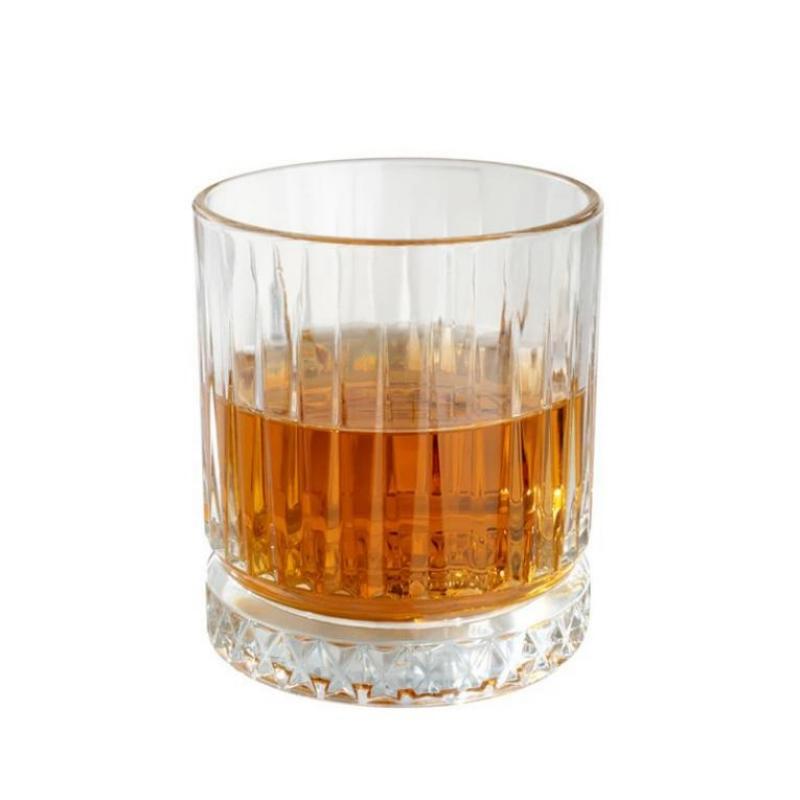
Manufacturers originally developed borosilicate for rigorous laboratory environments. It contains boron trioxide, which radically alters its physical properties. This addition gives it an extremely low coefficient of thermal expansion. It resists thermal shock better than almost any other option. You can subject it to rapid temperature transitions safely. Borosilicate represents the ultimate solution for heavy-duty heating. Its long-term durability makes it highly desirable for commercial applications. You rarely need to replace these items due to thermal failure.
Tempered soda-lime offers a cost-effective alternative to borosilicate. Manufacturers treat it thermally or chemically to increase its strength. This process creates compressive stress on the outer surface. It boasts excellent impact resistance and moderate thermal resistance. Production costs remain lower, making it popular for consumer markets. It suits standard reheating tasks perfectly. However, you must avoid extreme temperature shifts. Moving it from a freezer to a boiling state will likely cause structural failure.
Untempered variants possess a dangerously high coefficient of thermal expansion. Manufacturers design them purely for aesthetic appeal. They lack the structural treatments necessary for heat resistance. You must restrict them strictly to cold or room-temperature service. Introducing them to microwave environments guarantees failure. The risk of shattering is exceptionally high.
Glass Material | Thermal Shock Resistance | Primary Use Case | Microwave Safety Level |
|---|---|---|---|
Borosilicate | Extremely High | Heavy-duty, rapid temperature shifts | Excellent |
Tempered Soda-Lime | Moderate | Standard reheating, no extreme shifts | Good (with precautions) |
Untempered / Decorative | Very Low | Cold or room-temperature service only | Unsafe |
Selecting appropriate materials begins with rigorous labeling verification. Always look for a verified "microwave-safe" stamp on the underside. However, stamps alone do not guarantee commercial-grade reliability. You must understand how manufacturers achieve compliance. Credible brands adhere to FDA safety guidelines concerning food contact. They also meet ASTM standards for thermal endurance. ASTM C149, for example, tests thermal shock resistance rigorously. Requesting compliance documentation from suppliers ensures you receive truly rated materials. Never assume an unmarked item meets these rigorous criteria.
Material purity heavily dictates heating safety. You must identify and rigorously exclude lead crystal from your heating zones. Heating lead crystal poses severe chemical leaching risks. Microwave energy can cause heavy metals to seep into food. Additionally, you must audit items for metallic components. Exclude any items bearing metallic rims, internal glazes, or reflective paints. Microwaves reflect off these metallic surfaces instantly. This reflection causes dangerous arcing and sparking. Arcing damages the microwave and frequently shatters the container.
Procurement extends beyond the primary container. You must evaluate the safety of all accompanying parts. When purchasing glass bowls, examine their matching lids closely. Many bowls use plastic or silicone covers. These accessories must also meet stringent high-heat safety criteria. If a lid melts, it ruins the food and damages the bowl. Ensure rubber seals and venting mechanisms withstand steam pressure. Always verify the entire assembly before deploying it in a commercial setting.
Commercial environments subject inventory to relentless repetitive stress. Materials endure alternating cycles of commercial dishwashers and high-power microwaves. Dishwasher detergents contain harsh chemicals. Combined with high heat, they can gradually degrade protective surfaces. You must assess how materials hold up over time. Review manufacturer warranties regarding commercial use. Prioritize products explicitly designed to survive cumulative stress without developing micro-abrasions.
Inspect the base for a permanent "microwave-safe" marking.
Verify the absence of metallic paints or gold rims.
Ensure accompanying lids or silicone sleeves are heat-rated.
Request ASTM thermal shock compliance data from the vendor.
Confirm the material is completely lead-free.
Preventing thermal shock remains your primary operational defense. You must establish strict temperature management protocols. Never transition containers directly from sub-zero environments into high-heat zones. This drastic shift exceeds the tolerance of most tempered soda-lime. Require mandatory defrosting periods. Allow cold containers to reach room temperature gradually. Only then should you initiate microwave heating. Training staff on these transition rules dramatically reduces breakage incidents.
Even premium materials degrade over time. Implementing routine structural audits prevents unexpected failures. Schedule regular inspections of all high-use inventory. Instruct staff to feel the rims and bases carefully. They should look for hairline fractures or tiny chips. Structural degradation severely compromises microwave safety. When you identify a compromised piece, remove it immediately. Downgrade it to cold-storage use or discard it entirely. Lifecycle management keeps your heating zones hazard-free.
Glass absorbs heat from the food or liquid it contains. Microwave energy primarily targets water molecules in the food. The food heats rapidly, and heat transfers into the container walls. Many users grab a heated container, expecting it to be cool. This misunderstanding leads to severe burns and dropped items. Acknowledge these heat transfer rates in your handling protocols. Ensure staff use insulated grips or heavy-duty towels. Safe handling procedures protect your personnel and preserve your inventory.
Always stir food halfway through heating to prevent localized hot spots.
Never place a hot container onto a cold countertop; use a trivet.
Discard items immediately if they show visible scratching or cloudiness.
Leave lids slightly vented to prevent internal steam pressure buildup.
Upgrading begins with a comprehensive baseline assessment. You need to evaluate every asset currently in circulation. Form a team to inspect the bases of all current pieces. Isolate any unverified or purely decorative items. Remove them from active heating zones immediately. Create a dedicated space for cold-service only items. This segregation prevents accidental misuse by new staff members. A thorough audit gives you a clear picture of what needs replacement.
Procurement decisions require balancing initial expenses against long-term performance. True borosilicate materials demand a higher upfront financial commitment. However, standard soda-lime alternatives fail more frequently under heavy use. Every shattered piece requires replacement and cleanup labor. Furthermore, standard options carry higher safety liabilities. When you analyze the performance metrics, premium materials usually win. They survive years of rigorous heating cycles. Investing in high-performance materials prevents endless repurchase cycles.
Selecting the right supplier is as critical as selecting the material. Avoid vendors who provide vague product descriptions. Prioritize suppliers who supply clear material data sheets. They should document exact thermal tolerance limits explicitly. Ask about their warranty coverage for commercial or heavy daily use. Reliable vendors stand behind their products with transparent data. They will gladly explain their manufacturing processes. Building relationships with trustworthy vendors ensures consistent quality across future orders.
Ignoring the manufacturer’s recommended maximum wattage limits.
Purchasing consumer-grade items for high-volume commercial kitchens.
Failing to train new employees on specific handling protocols.
Assuming thick walls automatically equal high thermal shock resistance.
Selecting heat-resistant containers requires strict adherence to verifiable material specifications. You must move away from dangerous assumptions. Not all transparent materials behave the same under intense microwave radiation. As we explored, borosilicate offers superior resilience compared to untempered alternatives. Proper material selection prevents sudden shattering and hidden structural degradation.
We recommend conducting a full inventory audit today. Separate unverified items from your active heating zones immediately. When upgrading, prioritize suppliers who provide transparent thermal tolerance data. Investing in properly rated materials eliminates critical safety liabilities. It also dramatically reduces long-term replacement costs. By implementing strict handling protocols, you ensure your equipment and personnel remain safe.
A: It is risky to heat unlabelled items. You can perform a basic test by placing the empty container in the microwave next to a cup of water. Heat them for one minute. If the empty container becomes very hot, it is absorbing microwaves and is unsafe. If it remains cool while the water heats, it is generally safer. However, this does not guarantee thermal shock resistance.
A: No. Thickness does not determine thermal resilience. In fact, thicker walls can sometimes increase thermal shock risk. Thick walls heat unevenly; the inside expands while the outside remains cold. This uneven expansion creates severe internal stress. Material composition, like borosilicate or tempered treatments, matters far more than mere thickness.
A: This occurs when the material is not microwave-safe. Safe materials allow microwave energy to pass through them to heat the food. Unsafe materials absorb the microwave energy directly. They may contain hidden metallic elements or heavy metals like lead. If your cup becomes dangerously hot while the contents remain cold, stop using it immediately.
A: Yes. While tempered options resist moderate heat well, continuous cycles create cumulative stress. Combining high heat with harsh commercial dishwasher detergents causes microscopic surface wear. These tiny abrasions weaken the compressive surface tension. Over several years, this repetitive stress makes the material increasingly susceptible to sudden thermal failure.


