
Views: 0 Author: Site Editor Publish Time: 2026-06-12 Origin: Site


Have you ever opened a sealed moving box only to hear the dreaded sound of shattering crystal? You are certainly not alone. Wine glasses feature three distinct fragility zones. We identify these as the delicate lip, the slender stem, and the wide foot. These specific zones require dedicated structural support. Simple surface protection will inevitably fail during transit. Moving fragile glassware successfully relies entirely on applied supply-chain physics. You must manage vertical load limits carefully. You must actively absorb kinetic shock. Furthermore, you must eliminate dangerous internal voids where items might shift. This guide provides an evidence-backed, step-by-step framework. We will show you exactly how to pack delicate stemware securely. We also cover everyday glasses. You will learn the best professional methods for moving households or packing for long-distance travel. By the end, you will master the art of zero-breakage transit.
Orientation is non-negotiable: Wine glasses are engineered to bear vertical weight; they must always be packed upright, never on their sides.
Internal structure matters: Wrapping the exterior is insufficient. Filling the bowl with crumpled paper reinforces the glass against crushing forces.
Isolate the tension points: The stem and the base require independent wrapping before the entire glass is rolled.
Plan the unpacking phase: Most breakage occurs during frantic unpacking; establishing a padded "drop zone" is critical.
Professionals never throw materials randomly into a box. They carefully evaluate their packing assets. You must match your supplies to the specific fragility of your items. Selecting the right materials dramatically reduces breakage rates. Poor materials guarantee failure before the moving truck even departs.
Let us look at a detailed comparison matrix. This chart helps you decide between standard paper and specialized wrap.
Material Type | Primary Use Case | Shock Absorption | Space Efficiency | Common Mistakes to Avoid |
|---|---|---|---|---|
Unprinted Packing Paper | Internal void-fill and primary wrapping | Moderate (relies on crumpling density) | Excellent | Using heavily printed newspaper, which stains the glass. |
Bubble Wrap | Outer layer protection for thin-rim crystal | Superior (absorbs direct kinetic impact) | Poor (highly bulky) | Wrapping too tightly, creating trapped static pressure. |
Unprinted packing paper serves as the absolute industry standard for primary wrapping. It remains highly flexible. It fits into tight spaces effortlessly. You will find it eco-friendly and ideal for internal void-fill. Bubble wrap offers superior kinetic shock absorption. However, it is quite bulky. It can create static electricity and requires significantly more box space. We strongly recommend reserving bubble wrap specifically for the outer layers on thin-rimmed crystal pieces.
We highly recommend using corrugated cell dividers. They prevent lateral shifting inside the box. They also isolate impact efficiently between adjacent pieces. If you cannot find commercial dividers, do not panic. You must fashion manual rigid cardboard walls yourself. Cut clean cardboard strips and interlock them securely.
Always utilize double-walled corrugated boxes. Single-wall boxes crush easily under weight. Look for heavy-duty boxes featuring handle cutouts. Tape the inside and the outside of these handle holes. This simple tape trick provides heavily reinforced load-bearing capacity during transit.
Now we translate supply-chain theory into direct action. This professional packing protocol ensures maximum protection for your fragile items. Follow these steps sequentially. You will build a crash-proof environment for your valuable glassware. Skipping a single step compromises the entire structure.
Step 1: Create the Base Shock Absorber. Reinforce the box bottom using a triple-tape seal. Tape across the center seam and along both edge seams. Add a dense 2-inch layer of crumpled packing paper or bubble wrap. This thick base layer acts as a crucial shock absorber against harsh vehicle vibrations.
Step 2: Reinforce the Bowl. Loosely crumple half a sheet of soft packing paper. Push it gently inside the bowl of the glass. This internal paper provides vital resistance against external compression forces. An empty bowl shatters much faster under pressure.
Step 3: Isolate the Stem. Fold a separate sheet of paper into a narrow, thick strip. Spiral-wrap this strip tightly around the stem. This specific action neutralizes dangerous side-to-side tension along the absolute weakest point of the object.
Step 4: The Roll-and-Tuck Method. Place the prepared glass at the corner of a paper stack. Roll it diagonally across the sheets. Tuck the paper carefully into the bowl and around the base as you roll. Apply a minimum of three full layers of coverage.
Step 5: Upright Placement and Void Fill. Place the wrapped glass strictly upright in the box. Never lay them flat. Fill all remaining gaps between the glasses. Use tightly crumpled paper until a gentle shake yields zero sound or movement.
Different glass shapes require highly tailored packing strategies. Applying a one-size-fits-all method often leads to unexpected stress fractures. You must evaluate each piece individually. Let us break down how to handle various specialized profiles effectively.
These specific glasses feature uniquely wide bowls. They require extra side cushioning to survive transit safely. Do not force them into standard commercial cell dividers if the fit feels tight. Excessive friction along the wide bowl causes stress fractures rapidly. Give them adequate breathing room. Use custom cardboard inserts if necessary.
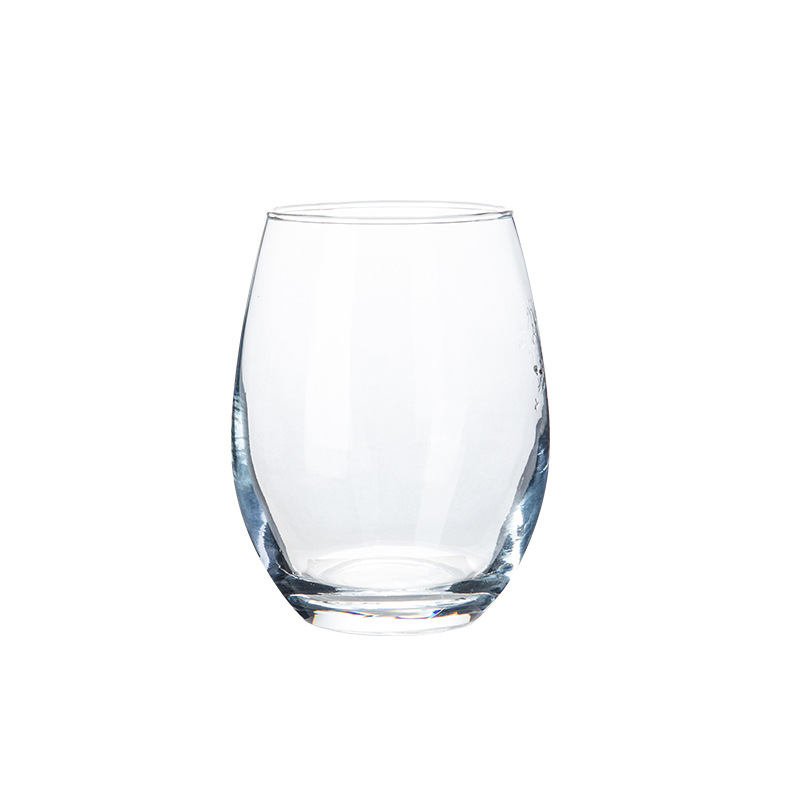
Stemless wine glasses have a much lower center of gravity. They lack a fragile stem entirely. These structural characteristics make them noticeably more resilient during moves. You should wrap them tightly from the flat base directly to the lip. A tighter packing density inside the box is perfectly permissible for these particular items. They handle compressive loads better.
The elongated stem of a flute presents a high-risk failure point. The leverage against the base is severe. You must apply a double spiral wrap to the stem. Do this carefully before beginning the primary body roll. This extra bulk prevents the long stem from snapping under accidental lateral pressure.
Fine crystal demands the rigorous "double-box" method. First, wrap the delicate glass in high-quality unprinted paper. Next, enclose it securely in a smaller segmented box. Finally, suspend that smaller box entirely within a larger moving box. Line the larger outer box with at least 2 inches of premium bubble wrap on all sides.
Standard moving boxes do not cover every possible scenario. Sometimes you face very unique logistical challenges. You might need to fly across the country. You might suddenly lack standard packing supplies. You must adapt your approach based on environmental constraints.
Many people save the original retail packaging. They incorrectly believe it offers superior transit protection. However, retail packaging is engineered strictly for palletized display. It is not built for rough single-parcel transit. The cardboard uses low-durability materials designed for stationary store shelves. If you absolutely must use the original retail box, use it only as an internal insert. Place it deep inside a heavy-duty moving box surrounded by thick padding.
Sometimes you must move without proper corrugated cell boxes. In this challenging case, utilize the "Hybrid Layering Method." Wrap your glasses in clean, thick socks or plush microfiber towels. Stack them carefully in a single upright layer. Do not stack them two tiers high. Build a very dense wall of crumpled paper between each piece. This paper wall prevents hard contact during sudden stops.
You might need to fly safely with delicate pieces. TSA regulations actually allow glass items inside your carry-on bags. Use hard-shell protective travel containers for all flights. Do not rely on soft protective sleeves. Hard shells absorb harsh overhead bin impacts efficiently. Keep them easily accessible in your luggage. Security agents frequently require direct visual inspection without completely unwrapping the items.
Packing your boxes securely represents only half the battle. How you load and unload them dictates the final outcome. Poor logistics can destroy perfectly packed glassware in seconds. You must control the environment from door to door.
Keep your fragile glassware boxes to 5-10% of your total transit volume. This strict ratio ensures movers have safe, dedicated places to put them. Do not force fragile boxes into tight gaps between heavy furniture. Mark every box boldly with a thick marker. Write "FRAGILE - GLASS - DO NOT STACK" on multiple visible sides.
Never pack a glass box heavier than 30 lbs. Excessive weight compromises the bottom tape seal immensely. If the bottom bursts during a heavy lift, everything shatters instantly on the concrete. Keep the boxes reasonably light and highly manageable for a single person.
Unpacking requires strict discipline and a calm environment. Most accidents happen when people rush the unwrapping process. Follow these guidelines carefully to prevent last-minute disasters.
Line a solid kitchen countertop with thick, soft towels before opening any boxes. This creates a safe landing pad.
Cut the top tape gently using a shallow blade angle. Never plunge a long knife deep into the box center.
Lift wrapped glasses out individually by holding the wide bowl. Never pull them upward from the delicate top lip or the thin stem.
Successful glassware transport demands strict preparation and robust internal reinforcement. By respecting upright physics and maintaining controlled transit environments, you effectively eliminate the primary causes of damage. The structural integrity of your pieces relies heavily on how you manage those specific tension points we discussed. A solid base layer and careful void-filling stop kinetic energy from reaching the fragile rims.
We highly recommend investing in proper materials up front. Buying heavy-duty boxes, quality unprinted paper, and sturdy dividers feels like an extra chore. However, this small logistical investment is vastly cheaper than replacing a high-end, irreplaceable glassware set. Take control of your moving process today.
Follow these action-oriented next steps for your upcoming transit:
Audit your glassware collection immediately. Discard any previously chipped items before purchasing your expensive packing supplies.
Source commercial double-walled corrugated boxes and heavy-duty packing tape. Do not settle for thin grocery store boxes.
Set up a dedicated, clean, clutter-free packing station. Equip it with a massive stack of unprinted paper and good lighting.
Assign one detail-oriented person to pack and unpack all fragile items. This ensures you maintain consistent quality control from start to finish.
A: Always upright. The structural integrity of a glass is built to support the bowl's downward weight. Side placement creates a lateral shear force that easily snaps stems and cracks rims.
A: Only as outer void fill. The ink transfers easily onto glass and requires extensive scrubbing to remove, which ironically increases the risk of dropping them while washing.
A: Ideally 8 to 12 glasses, depending on box size. Ensure the box remains light enough to be handled smoothly by one person without dropping.


