
Views: 0 Author: Site Editor Publish Time: 2026-06-16 Origin: Site


Decorating glassware transforms ordinary vessels into cherished, personalized gifts and memorable event centerpieces. The craft remains highly popular for weddings, birthdays, and corporate gatherings. However, glass is a completely non-porous substrate. This characteristic creates a distinct physical challenge. Without correct material selection and strict curing protocols, decorations will quickly peel, chip, or pose serious ingestion risks. You cannot simply apply standard craft supplies and expect lasting results.
This guide evaluates the primary methods for customizing these items—painting, marking, etching, and temporary embellishing. We analyze each technique based on durability, overall cost, and food safety standards. Our goal is simple. We want to equip you with the technical criteria needed to select the right approach. You will learn how to source appropriate materials and execute your project flawlessly. By following these rules, you can easily avoid common structural failures like thermal shock or rapid paint degradation.
Surface Prep is Non-Negotiable: All permanent methods require degreasing with isopropyl alcohol or white vinegar to ensure adhesion.
The 1-Inch Safety Rule: Paints and markers must never be applied within one inch of the glass rim to prevent toxic ingestion and wear from lip contact.
Thermal Shock Prevention: Heat-curing glass requires a "cold oven" start and finish; placing room-temperature glass into a preheated oven will cause shattering.
Method Dictates Durability: Etching is the only completely dishwasher-safe method; paints require specific top-rack curing, while physical embellishments are strict hand-wash only.
You must select a decoration method based on your specific project constraints. Different events demand different levels of durability. Assessing your needs early prevents wasted time and ruined materials. We evaluate decoration techniques through three primary lenses: lifespan, material compatibility, and scalability.
First, assess whether your project requires long-term resilience. Do the items need to survive heavy use and dishwasher cycles? If so, you must choose chemical etching or baked enamel paints. These methods alter or bond closely to the surface. Conversely, you might only need decorations for a single evening. Seating charts and party favors often rely on temporary markers or decals. These temporary methods wipe away easily and require no complex curing.
The shape and material of your base directly influence your technique. Choose your vessels carefully.
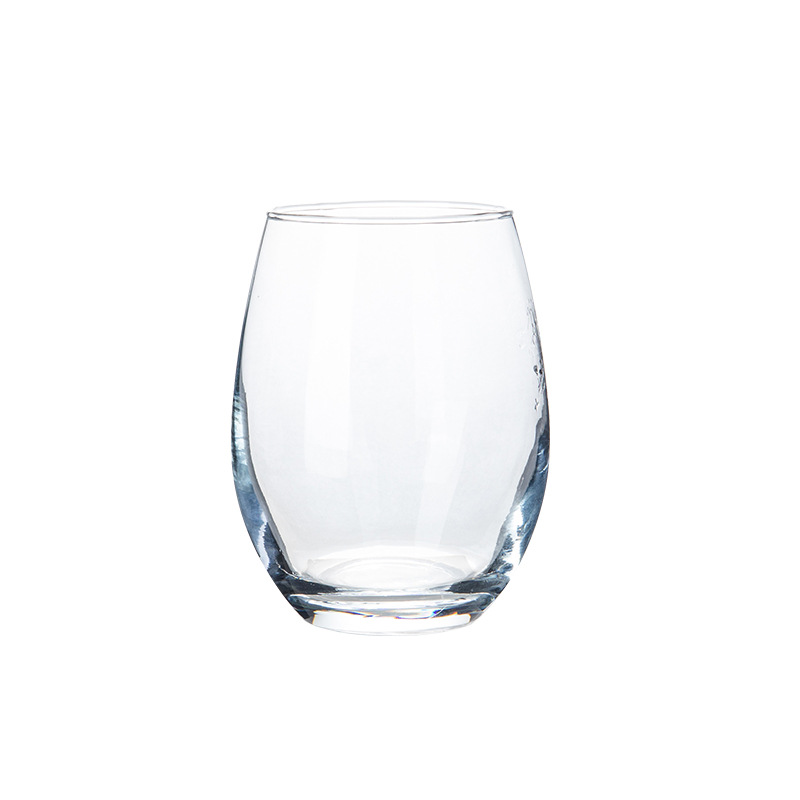
Standard vs. stemless wine glasses: Stemmed options offer classic elegance but tip over easily. Stemless options provide a wider, more stable canvas. They remain securely upright during curing phases and etching procedures, reducing accidental spills.
Glass vs. Plastic: Many hosts prefer plastic event cups to eliminate breakage risks. However, plastic fundamentally changes your decoration rules. You cannot heat-cure plastic cups because they will melt. They require multi-surface markers and remain strictly unfit for dishwashers.
Consider the total number of items you plan to produce. Individual gifting supports time-intensive techniques. You can comfortably spend hours layering paint or applying chemical stencils on a single piece. However, hosting a group decorating party demands a different strategy. Group settings require rapid-dry, highly forgiving materials. You want guests to enjoy the process without feeling bogged down by complex technical requirements.
Method Comparison Chart | |||
Decoration Method | Best Application | Durability Level | Dishwasher Safe? |
|---|---|---|---|
Enamel Paint | Custom colored designs | High (after baking) | Top-rack only |
Chemical Etching | Permanent monograms | Maximum | Yes (100%) |
Oil-Based Markers | Intricate line art | Medium | Hand-wash preferred |
Washi Tape / Decals | Single event hosting | Low (Temporary) | No |
Painting remains the most popular approach for custom drinkware. It offers limitless color choices and design flexibility. However, applying liquid pigment to a slick surface demands strict adherence to material rules and curing timelines. If you cut corners here, your designs will inevitably wash down the drain.
Standard craft acrylics will not survive on a non-porous surface. You must source proper chemical formulations.
Paints: Purchase gloss enamel craft paints or multi-surface acrylics. Look for bottles explicitly labeled "dishwasher safe." These formulas contain specific bonding agents.
Markers: Use oil-based permanent markers. Standard water-based markers will wash off immediately upon contact with condensation or water.
Preparation dictates success. Clean your surface thoroughly using rubbing alcohol. Once dry, handle the vessel by the stem or interior to avoid leaving oily fingerprints.
You do not need expensive brushes for great results. Use cotton swabs (Q-tips) to create perfectly uniform dots. You can also tape a printed design inside the bowl to easily trace monograms or complex shapes. Always apply your pigments in thin layers. Thick applications trap moisture underneath. They will dry unevenly and crack violently during the baking phase.
Air-drying alone will not permanently set enamel. You must fuse the pigment to the substrate using heat. Follow this exact sequence to prevent catastrophic glass breakage.
Rest Phase: Allow the painted design to air dry for a minimum of 72 hours. This critical period allows volatile solvents to evaporate, preventing bubbles in the oven.
Bake Phase: Place the items upright on a cold baking sheet. Insert them into a completely cold oven. Turn the heat to 325°F–350°F (check your specific paint bottle instructions). Once the oven reaches the target temperature, bake for exactly 30 minutes.
Cooling Phase: Turn the oven off entirely. Crack the oven door open a few inches. Allow the items to cool completely inside the chamber. Exposing hot glass to cool room air causes instant thermal shock and shattering.
If you desire a highly professional, frosty finish, chemical etching stands unmatched. This method physically alters the top layer of the substrate. It creates a subtle, elegant look often seen in high-end customized gifts.
The process utilizes a specialized acid-based etching cream. You apply this thick cream over vinyl or masking stencils. The chemical eats away microscopic layers of the exposed surface, leaving behind a permanent frosted texture once rinsed away.
Understanding the strict parameters of etching helps you decide if it suits your skill level.
Pros: The result is 100% dishwasher safe. It creates a permanent, premium aesthetic. The design physically integrates into the surface, so it cannot chip, peel, or fade over time.
Cons: You have zero margin for error. Once the cream touches the surface, it leaves a permanent mark instantly. Furthermore, you must wear safety gear, including nitrile gloves and protective goggles, to handle the caustic chemicals safely.
Precision is mandatory. Begin by taping off the stem and base entirely. This prevents accidental drips from ruining unintended areas. Apply the etching cream thickly and evenly over your securely placed stencil. Leave the chemical paste undisturbed for exactly 5–10 minutes. Finally, rinse the item thoroughly under cold running water before removing the stencil. Wash your hands and tools immediately.
Not every project requires a permanent alteration. Event hosting often benefits from temporary, low-commitment decorations. These techniques work perfectly for seating charts, tasting parties, and themed holiday events.
Dipping the base of your wine glasses in chalkboard paint creates an interactive experience. Guests can write their names directly on the base using chalk or chalk markers. This technique eliminates drink mix-ups. Note that chalkboard paint requires the exact same 72-hour rest and 30-minute bake cure as standard enamel paint.
Adding physical textures instantly elevates a simple vessel. You can use glass-safe adhesives (like silicone-based craft glues) to apply rhinestones, pearls, or ribbons. Alternatively, you can attach pre-made wire charms around the stems.
Risk Assessment: Understand the tradeoff. Any physical embellishment instantly downgrades the item to "gentle hand-wash only." Dishwashers will melt the adhesive and strip away your hard work.
For zero-mess solutions, turn to high-quality removable markers, static clings, or Washi tape. You can wrap colorful tape around the stems or apply vinyl decals to the bowls. These items serve their purpose strictly for the event duration. They require zero curing time and leave zero sticky residue upon removal.
Even seasoned crafters encounter issues during application. Correcting mistakes promptly separates a salvaged project from a ruined one. Keep these solutions handy during your crafting session.
A slipped hand or accidental brush drop happens frequently. Panic leads to wiping the wet area immediately with a damp cloth. This smears the pigment into a cloudy mess across the surface.
Fix: Stop touching it. Wait 3–5 minutes for the pigment to become slightly tacky. Once it thickens, use a dry cotton swab to gently lift the mistake away from the surface. The tacky pigment will cling to the cotton rather than smearing.
Liquid naturally seeks out tiny gaps. Often, pigment seeps under the edges of your masking tape or vinyl stencil due to capillary action. This leaves you with jagged, messy borders.
Fix: Never wait for the layer to dry completely before removing the tape. Remove the stencil while the design remains slightly damp. If you still spot bled edges after drying, take a lightly moistened wooden toothpick. Carefully scrape away the exact edge of the unwanted bleed.
Amateurs often over-brush. Pushing the bristles back and forth excessively drags the polymer chains around, leaving highly visible, uneven streaks.
Fix: Trust the thin-layer process. Apply one thin coat moving in a single direction. Let it dry completely to the touch. Then, apply a second thin coat over the top. Layering builds opacity smoothly without leaving heavy brush marks.
Quick Troubleshooting Guide | ||
Issue | Root Cause | Immediate Fix |
|---|---|---|
Paint Smearing | Wiping wet pigment | Wait 5 mins, lift with dry swab |
Stencil Bleed | Capillary action under tape | Scrape dry edge with damp toothpick |
Brush Streaks | Over-brushing wet layers | Apply single-direction thin layers |
Translating a solo craft into a group party requires logistical planning. A poorly organized setup leads to chaos, spilled water, and frustrated guests. Standardize your approach to ensure everyone leaves with a successful creation.
Purchasing individual items at retail stores quickly breaks the budget. Buy your inventory in bulk. Group settings greatly benefit from stemless wine glasses. They feature a much lower center of gravity. This dramatically reduces accidental breakage when guests reach across the table for supplies.
A structured timeline keeps the party flowing naturally. Standardize a simple 2-hour event flow to maintain energy levels:
15 Minutes (Prep): Guests arrive, select their vessels, and perform the necessary alcohol wipe-down.
60 Minutes (Decorating): The core activity phase. Play music and encourage guests to draft and execute their designs.
45 Minutes (Drying & Socializing): Guests step away from the crafting table. The items sit safely to begin their initial drying phase while the group enjoys snacks and drinks.
Guests often experience "blank canvas paralysis." Mitigate this by providing pre-printed design menus. Display examples of beginner-friendly patterns like simple polka dots, ombré fades, or winding vines. This prevents decision fatigue and keeps the timeline intact.
Finally, remember the curing rules. Because of the required 72-hour rest period, items cannot be baked on-site. Send every guest home with clear, printed "baking instructions" cards. Detail the cold-oven start protocol so they can safely cure their creations at home.
Summary: Decorating glassware successfully relies entirely on matching your method to your required lifespan. You must follow strict preparation and curing rules to ensure longevity and safety.
Next Steps: Decide immediately on your durability needs. Do you want a dishwasher-safe heirloom or a temporary party favor?
Next Steps: Select your base shape carefully. Stemless options offer superior stability for crafting.
Next Steps: Procure the specific enamel paints, oil-based markers, or etching creams suited for non-porous surfaces.
Next Steps: Always begin your project with the mandatory alcohol-prep phase to guarantee proper adhesion.
A: Only if you use explicitly labeled multi-surface or enamel craft paints. You must wait the full 72 hours and perform a complete cold-oven bake cycle. Even with perfect curing, we highly recommend top-rack washing only to extend the design's lifespan.
A: Standard water-based Sharpies will wash off easily under light condensation. You must purchase oil-based permanent markers to achieve water resistance. Oil-based markers still require the same oven-baking process to properly set onto the surface.
A: Yes, provided you strictly follow the 1-inch rule. Always leave a mandatory 1-inch unpainted or unetched buffer at the rim. This keeps the area where lips make contact completely bare, ensuring zero accidental ingestion of paints or chemicals.


