
Views: 0 Author: Site Editor Publish Time: 2026-06-13 Origin: Site


Pouring a vintage Cabernet into a hazy, soap-scented bowl ruins the experience before it begins. A premium wine glass is only as good as its maintenance. Improper cleaning leaves behind microscopic soap films. These hidden residues heavily distort delicate wine aromatics. Incorrect handling also causes catastrophic stem breakage.
Relying on standard kitchen dishwashing habits compromises fine glassware. Porous crystal absorbs surrounding odors quickly. Harsh chemicals and rough handling destroy your tasting experience. You ultimately lose both the flavor profile and the lifespan of your investment.
We will provide an evidence-backed framework for evaluating cleaning methods. You will learn to troubleshoot cloudiness effectively. We will help you establish a professional-grade maintenance routine. Let us explore high-control handwashing techniques and scalable machine capabilities. Mastering these skills guarantees a flawless pour every time.
Breakage is usually mechanical, not thermal: Most stems snap due to twisting forces (torsion) during polishing, not squeezing.
Soap is the enemy of aromatics: Fragrance-free detergents or hot-water-only methods are required to prevent flavor contamination.
Dishwashers are viable for standard glass: Modern, high-quality wine glasses can survive machine washing *if* specific temperature and detergent parameters are met.
Cloudiness has two distinct causes: It is either reversible hard-water scaling or irreversible chemical etching.
Crystal contains lead or barium. This composition makes the material naturally more porous than standard glass. Standard scented dish soaps leave behind persistent chemical films. These invisible layers mute delicate wine aromas. They also flatten carbonation in sparkling wines. You smell artificial lemon soap before you smell the terroir. This aromatic interference destroys the sensory evaluation. You must use proper cleaning protocols for wine glasses to preserve intended flavor notes.
Acknowledging implementation risks is crucial. Wine glasses possess high compression elasticity. You can gently squeeze the bowl safely. However, they have almost zero torsion resistance. Torsion means twisting stress. People often hold the flat base tightly. Then they twist the bowl to dry it. The thin stem absorbs all rotational force. This acts as the number-one cause of breakage. The stem snaps instantly under this twisting stress.
We must clearly define success here. A properly cleaned glass must remain structurally intact. It needs to be completely odorless. It should look crystal-clear under direct light. You should find no mineral spots. Chemical etching must be entirely absent. Achieving this professional standard requires specific daily habits.
Accidents often happen near porcelain or stainless steel sinks. Always line the bottom of your sink basin. Use a clean cotton towel before washing. This creates a highly effective shock-absorbing buffer. If a slippery glass drops, the towel prevents immediate shattering.
You must select the right cleanser carefully. Mandate the use of zero-fragrance liquid soaps. Avoid artificial dyes completely. Advanced enthusiasts treat high-end crystal differently. They often rely exclusively on high-temperature water. They use zero detergent to wash their most prized pieces. This ensures absolute flavor neutrality.
Holding technique matters immensely for safety. Cradle the base of the bowl. Keep it firmly nestled in the palm of one hand. Never hold the glass by the stem. Do not grip the foot plate while applying scrubbing pressure. Uneven pressure shears the stem off cleanly.
Apply friction only where necessary. You might need to remove lipstick from the rim. Sediment often gathers at the inner bowl base. Use a specialized soft foam stemware brush. Never use abrasive kitchen sponges.
Follow this strict protocol for the safest handwashing results:
Line the sink basin using a thick cotton towel.
Adjust your tap to a safe, moderately hot temperature.
Apply a single drop of unscented soap to your brush.
Cradle the bowl in your palm and scrub the rim gently.
Rinse thoroughly to eliminate all suds and microscopic residues.
Traditional purist beliefs reject machine washing entirely. However, many top-tier glassmakers offer different advice today. They certify their standard pieces for up to 1,000 dishwasher cycles. They maintain their clarity perfectly under proper conditions. You can safely wash modern glass this way.
Proper loading prevents micro-abrasions. You must secure pieces using dedicated stem clips. Place them strictly on the top rack. They must never touch other dishes. Keep them far away from heavy metal pots.
Watch your temperature settings closely. Restrict water temperatures to under 140°F (60°C). Turn off heated drying cycles. Avoid sanitize modes entirely. High heat destroys delicate stems and causes rapid thermal shock.
Do not overly pre-rinse your glassware. Modern dishwasher enzymes need organic material to attack. They actively seek out wine proteins and grease. If you live in a soft-water home, beware. Excess detergent combined with fully pre-rinsed glass leads directly to chemical etching. The hungry enzymes attack the silicates in the glass itself.
Open the dishwasher door immediately after the cycle finishes. This vents the trapped steam quickly. Never handle hot glass. Thermal expansion makes it temporarily more fragile. Let them cool down completely first.
Use this evaluation chart to determine your ideal cleaning method:
Evaluation Criteria | Handwashing Method | Dishwasher Method |
|---|---|---|
Best Glass Type | Porous crystal, hand-painted glass | Standard commercial glass |
Detergent Rule | Zero-fragrance liquid soap or hot water only | Enzyme-based detergent (do not pre-rinse) |
Temperature Control | Moderately hot tap water | Strictly under 140°F (60°C) |
Drying Protocol | Immediate manual microfiber polishing | Air dry, open door immediately to vent steam |
Air-drying allows water to evaporate naturally over time. Unfortunately, it leaves behind stubborn hard water minerals. Immediate hand-drying remains non-negotiable. You need it for a flawless, restaurant-quality finish.
You need the right tools for this job. Use two oversized, lint-free microfiber polishing cloths. Hold one cloth in each hand. This prevents transferring skin oils. You avoid leaving nasty fingerprints onto the clean glass.
Interior polishing requires specific care. Gently push the cloth into the bowl. Insert only your thumb to maneuver it. Never force your whole hand inside the bowl. This action expands the glass outward. It risks shattering the fragile walls instantly.
Sometimes dried water spots remain stubborn. Hold the glass briefly over a pot of boiling water. The hot steam safely rehydrates the mineral spot. You can then perform an easy wiping motion.
Keep these polishing best practices in mind:
Always inspect the glass under direct overhead lighting.
Never twist the base and the bowl in opposite directions.
Use smooth, sweeping motions rather than aggressive scrubbing.
Wash polishing cloths in boiling water without fabric softeners.
Apply a single drop of white vinegar directly on a cloudy glass. Wipe it away gently. If it clears instantly, you have hard-water mineral buildup. This issue is entirely reversible. If it remains foggy, the glass has suffered chemical etching. This means irreversible physical damage. Etching physically removes glass ions and creates microscopic scratches.
You can fix hard water stains easily. Submerge affected glasses in a warm bath. Use diluted white vinegar. Let them sit undisturbed for 15 to 30 minutes. Follow up with a gentle handwash. This neutralizes the lingering acid.
Dried tannins look intimidating. Avoid aggressive scrubbing completely. Use a pinch of specialized gentle abrasive powder. Bar Keepers Friend works exceptionally well for this specific task. Mix it with a single drop of water. Place it at the bottom of the bowl. Lightly agitate the mixture using a soft brush. The stain lifts instantly.
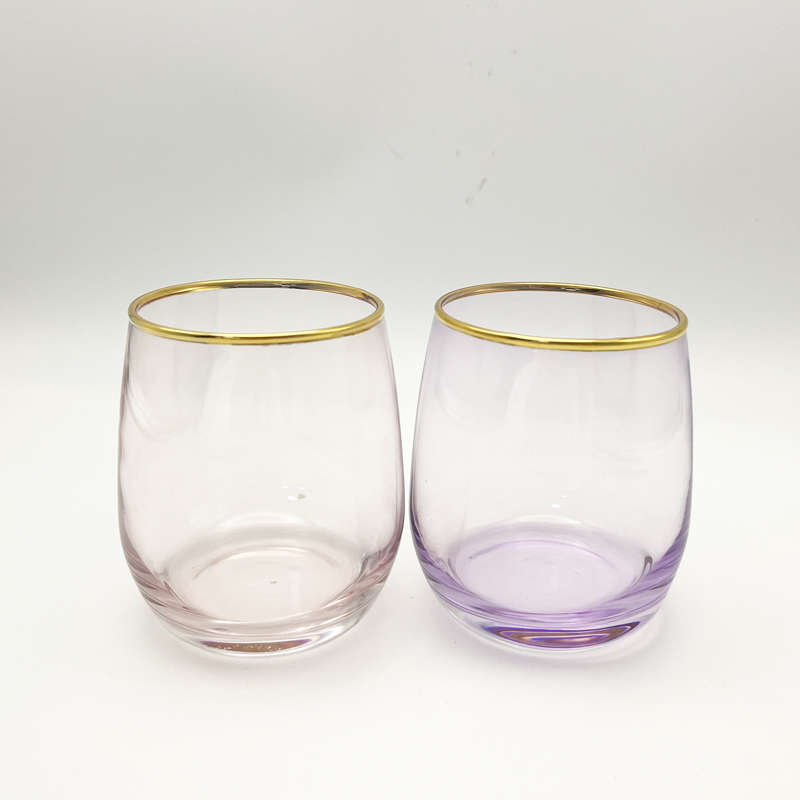
Traditional stemware keeps hands off the bowl. It prevents body heat from warming the wine. Stemless wine glasses trade this thermal control for extreme durability. They inherently eliminate the torsion-breakage risk. You cannot snap a stem that does not exist. This structural advantage makes them highly scalable. You can load them into dishwashers quickly. They suit high-volume entertaining perfectly.
However, there is a clear fingerprint trade-off. Users must hold the bowl directly. Because of this, stemless wine glasses accumulate body heat fast. They pick up exterior skin oils rapidly. Greasy smudges appear almost immediately on the surface.
These variants require specific adjustments. They need more rigorous exterior degreasing. You must scrub the outside thoroughly during the wash phase. Immediate microfiber polishing becomes critical here. This action quickly restores their brilliant exterior clarity.
Choosing between handwashing and machine washing requires careful thought. It depends entirely on your water hardness. Your dishwasher capabilities matter significantly. Consider whether you are cleaning standard glass or highly porous crystal.
Audit your current cleaning supplies today. Discard scented dish soaps for your glassware. Invest in dedicated microfiber polishing cloths. Implement the two-cloth handling rule immediately. This instantly eliminates common breakage risks and guarantees a superior tasting experience.
A: No, you should never use bleach. It severely degrades the glass surface. Bleach also leaves toxic residues behind. These aromatic-destroying chemicals permanently ruin the taste of future pours. Stick to gentle abrasives or diluted vinegar instead.
A: This unpleasant odor happens during the drying phase. Drying them face-down on a damp towel causes it. Using an old kitchen sponge harboring bacteria also transfers bad smells. Always air-dry them upright. Better yet, polish them immediately using clean microfiber cloths.
A: Yes, you can wash them with regular loads. However, never use fabric softeners. Avoid dryer sheets entirely. These products coat delicate fibers in heavy oil. They will inevitably transfer a greasy, cloudy film directly onto your clean glassware. Wash them in hot water alone.


