


Pouring premium craft beer into an improperly cleaned mug sacrifices aroma. It actively kills head retention. It also alters the brewer's intended flavor profile. Many people hold a massive misconception. They think a visually clean vessel is sufficient. However, "visually clean" is not "beer clean." Residual fats, rinse aids, and standard dish soap leave microscopic films behind. These invisible barriers degrade carbonation instantly. The beverage quickly goes flat.
Our objective is straightforward. We must establish a standardized cleaning protocol for home bars and commercial setups. You need a method guaranteeing residue-free glassware. Strict adherence to this routine ensures optimal presentation. It guarantees authentic taste for every single pour. Proper maintenance separates an amateur bar from a professional establishment. Your beautifully crafted beer deserves a flawless presentation canvas.
Ditch the Dish Soap: Standard household detergents contain petroleum-based surfactants and perfumes that ruin beer foam; specialized low-suds cleaners are non-negotiable.
Avoid Rinse Aids: Commercial and residential dishwashers using rinse aids will actively suppress head retention in glass mugs.
Implement Validation Tests: You cannot eyeball a clean mug. Use industry-standard methods like the Salt Test or Lacing Test to verify your cleaning protocol.
Dedicated Tools: Sponges and brushes used for food plates cross-contaminate glassware. Invest in dedicated glass-cleaning tools.
Routine dishwashing methods often leave invisible hazards behind. Every day, hidden residues accumulate inside your glassware. Lip balm transfers from drinkers. Airborne kitchen grease settles onto shelves. Standard soap leaves a slick chemical film. These substances act as relentless foam-killers. When you pour a highly carbonated beverage into tainted beer mugs, these lipid-based films attack the beer's head. The foam collapses in seconds.
Carbonation behavior relies heavily on nucleation points. Microscopic imperfections in the glass allow carbon dioxide bubbles to form and rise. This process builds the thick foam we expect. However, dirt and soap residue hijack these nucleation points. They cause a rapid, premature release of carbonation.
You can identify this failure easily. Look for bubbles clinging stubbornly to the inside walls of the glass. A properly clean vessel will not show these clinging bubbles. Instead, the carbon dioxide will rise freely to the top. When soap films coat the glass, they trap gas on the sides. Your beverage becomes flat before you take the second sip.
Industry standards provide clear success criteria for clean glassware. A successfully cleaned mug must hold a thick, dense head. This foam cap protects the aroma. Furthermore, the glass must show distinct rings of lacing. As you consume the drink, the foam should stick to the glass in parallel bands. Finally, you must see zero gas bubbles clinging to the interior walls beneath the liquid line. Meeting these three conditions proves your washing method works.
Selecting the right chemicals dictates your success. You cannot rely on conventional kitchen supplies to achieve professional results. We must evaluate the options carefully.
Professionals always use specialized low-suds cleaners. These formulas excel at removing fats, proteins, and dried yeast.
Pros: They dissolve stubborn soils without leaving chemical residues. They contain zero artificial fragrances. They rinse away cleanly in cold water.
Cons: You must order these specialty supplies from restaurant suppliers or homebrew shops. You cannot buy them at a standard grocery store. They usually come in commercial powder pouches or bulk liquid concentrates.
Many beginners reach for standard dish soap. This choice guarantees failure.
Household detergents contain petroleum-based surfactants. Manufacturers also add heavy perfumes to make the soap smell fresh. These ingredients leave invisible, lipid-based films on the glass surface. The soap residue destroys beer foam instantly. The perfumes also interfere with the delicate aroma profile of craft ales. Never use standard dish soap on your dedicated glass mugs.
Sanitization forms the final chemical step. You have three primary options: iodine-based, chlorine-based, and acid-based sanitizers.
Chlorine-based sanitizers are common but risky. If mixed incorrectly, they leave an intense bleach odor. Iodine-based options work well but can stain equipment over time. Acid-based sanitizers offer the best performance. They are odorless, tasteless, and highly effective.
Crucially, you must allow your glassware to air-dry post-sanitization. Proper air-drying maintains compliance with safety regulations. It ensures the sanitizer dissipates fully without altering the beverage flavor.
We recommend purchasing bulk low-suds detergent. Pair this with a high-quality, food-safe acid sanitizer. This combination represents the most practical long-term investment. Both homebrewers and bar operators benefit from this standard chemical pairing.
Solution Type | Residue Left | Impact on Beer Foam | Recommendation Level |
|---|---|---|---|
Low-Suds Glass Cleaner | None | Preserves dense head | Highly Recommended |
Household Dish Soap | Lipid-based film, perfumes | Kills head retention | Avoid completely |
Acid-Based Sanitizer | None (if air-dried) | No impact | Highly Recommended |
Chlorine Sanitizer | Potential odor/taste | Can degrade foam if concentrated | Use with strict caution |
The three-sink method represents the gold standard. Every respected pub utilizes this workflow. You can easily replicate it at home using distinct basins. Proper execution requires strict separation of steps.
Preparation begins before the glass touches water. Empty the mug completely. Pour out any remaining liquid, ice, or garnishes. Never dump food waste or dairy into your dedicated glassware cleaning sink. Cross-contamination starts here. A single drop of milk fat can ruin a sink full of wash water.
Fill the first sink with warm water. Ensure the water temperature matches the detergent manufacturer’s specifications. Usually, this falls between 100°F and 110°F. Add your measured low-suds detergent.
Use a dedicated glass brush. Commercial bars use motorized brushes. Home users can use manual brushes with firm bristles. Scrub the interior thoroughly. Pay special attention to the rim where lip balm accumulates. Never use this brush for dinner plates or cooking pots.
The second sink removes all detergent traces. Use clean, cold, flowing water.
Submerge the glass completely. Utilize a specific "heel-in, heel-out" motion. Tip the bottom (heel) of the glass into the water first. Let it fill, then pull it out base-first. This specific fluid dynamic flushes detergent out effectively. Repeat this motion twice to guarantee a chemical-free surface.
The third sink kills remaining bacteria. Fill it with water and your chosen sanitizer. Check the chemical label for temperature requirements. Some sanitizers require warm water, while others work in cold water.
Submerge the glass fully. Leave it in the solution according to the required contact time. Acid sanitizers typically need one to two minutes of submersion. Do not rush this step. Proper sanitization protects consumers and prevents wild yeast contamination.
Drying demands patience. Never towel dry your glassware. Towels harbor lint, dust, and microscopic grease. They transfer these contaminants directly onto your freshly cleaned surface.
Instead, invert your beer mugs. Place them on a corrugated or mesh drying rack. These racks elevate the rim off the counter. This elevation allows maximum airflow inside the vessel. Proper airflow ensures complete evaporation without trapping odors.
Many people attempt to save time using automation. Unfortunately, automation often introduces new points of failure. Understanding machine limitations prevents ruined pours.
High-temperature commercial glasswashers are highly effective. They utilize extreme heat rather than heavy chemicals to clean. However, they only succeed under strict conditions. The machine must be entirely dedicated to glassware. If kitchen staff wash food plates or saucepans in the same machine, failure is imminent. Aerosolized grease will circulate and coat the glass.
Using a residential dishwasher presents a high risk of failure. We strongly advise against it.
Risk 1: Cross-Contamination. Your home dishwasher handles greasy pans, buttery plates, and coffee cups. The machine sprays this contaminated water everywhere. The fats attach themselves to your drinking vessels during the wash cycle.
Risk 2: Chemical Rinse Aids. Products like Jet-Dry cause severe damage. These commercial rinse aids leave a hydrophobic film on dishes. The film is specifically designed to shed water rapidly to prevent water spots. Unfortunately, this same hydrophobic film destroys beer head. It actively prevents foam formation.
Automated residential systems fail the industry standard. Hand-washing with the 3-sink method remains superior. Alternatively, using a strictly dedicated commercial glasswasher works well. These two methods are the only scalable ways to guarantee beer clean results. Protect your investment by avoiding the home dishwasher entirely.
You cannot eyeball a clean mug. Visual inspections miss microscopic lipid layers. You must implement validation tests. These three industry-standard methods will verify your cleaning protocol objectively.
The sheeting test provides immediate feedback during the washing process. Dip the cleaned glass in clean water. Pull it out and hold it upside down. Watch how the water behaves on the interior surface.
The water should sheet off evenly. It should look like a smooth, continuous film. If the water forms disconnected droplets, the glass is dirty. If it forms spiderwebs or streaks, unseen oils remain. You must re-wash the vessel.
The salt test offers a highly visual proof of cleanliness. Perform this test on a wet, freshly rinsed mug.
Sprinkle standard table salt heavily around the wet interior. Inspect the distribution. Salt will adhere evenly to a truly clean surface. However, salt will immediately fall away from areas coated in invisible grease films. These bald spots usually appear near the rim or bottom curve. If you see bare patches, your cleaning process has failed.
You perform the lacing test while consuming the beverage. This is the ultimate proof of a successful wash.
Pour a high-quality beer into the mug. As you drink, watch the foam left behind on the glass walls. The foam should form tight, parallel rings down the side. We call this "lacing". If the lacing looks scattered, irregular, or nonexistent, the glass was compromised. Irregular patterns indicate localized contamination. Use this feedback to improve your next wash cycle.
Achieving a beer clean glass is fundamentally a matter of correct chemistry. It also requires strict process separation. You cannot treat professional glassware like ordinary kitchen dishes. Routine household methods introduce invisible films that ruin carbonation, aroma, and presentation.
Take action today to upgrade your bar routine. First, audit your current cleaning supplies immediately. Second, discard all multi-use sponges near your bar sink. Third, purchase a dedicated, firm-bristled glass brush. Finally, transition away from standard dish soap. Invest in a specialized low-suds glassware detergent. These simple adjustments will transform your pouring experience and honor the brewer's original intent.
A: Frosting introduces serious issues. Freezing temperatures numb the palate, masking the beer's intended flavor profile. Furthermore, freezer environments introduce ice crystals and freezer burn. These crystals hijack nucleation points, causing rapid carbonation loss. If you absolutely must use a freezer, the mugs must be completely bone-dry before chilling. Any residual moisture will form unwanted ice structures.
A: You should perform a proper 3-sink wash after every single use. This prevents basic buildup. However, a periodic deep-clean is necessary if you live in an area with hard water. Hard water leaves mineral deposits over time. Run a deep-clean with a specialized alkaline descaler every few months to remove stubborn water spots.
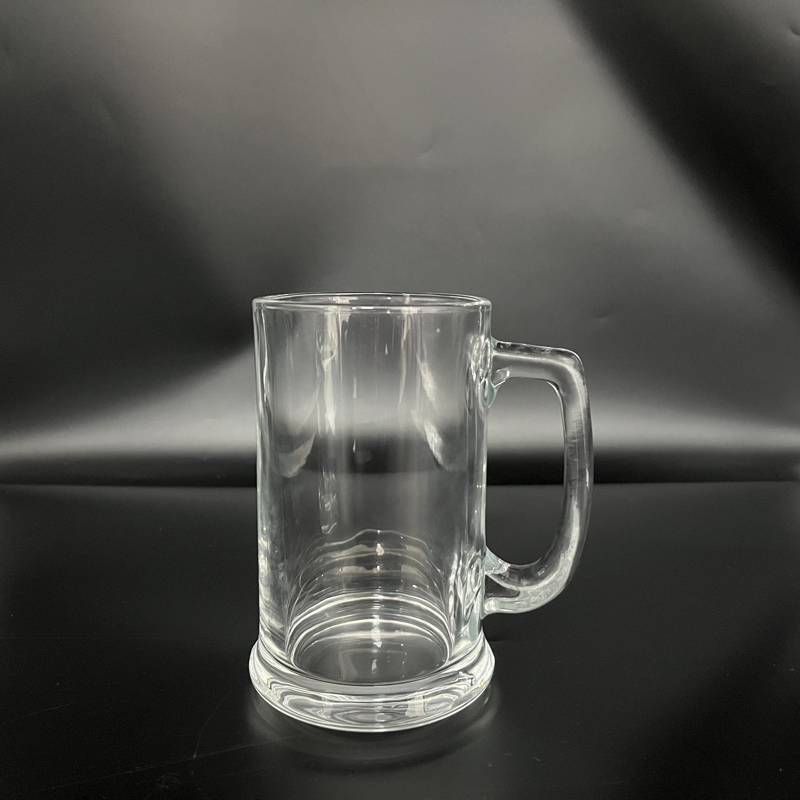
A: Yes. Deep, dimpled mugs or tall steins present physical cleaning challenges. Standard sponges cannot reach tight bottom corners. Yeast, trub, and sugars easily settle in these crevices. You must use specialized, long-handled brushes. Ensure the bristles are firm enough to scrub dimpled bases without scratching the glass surface.


