
Views: 0 Author: Site Editor Publish Time: 2026-06-15 Origin: Site


Whether hosting a lively dinner party or quietly tracking personal consumption, many people want an objective answer to a common question. How many glasses of wine does it take to get drunk? We often encounter a fundamental disconnect between medical guidelines and everyday reality. A medical "standard drink" looks vastly different from the actual physical capacity of modern wine glasses.
When a single oversized bowl holds nearly an entire bottle, counting your drinks becomes incredibly confusing. Relying on visual estimates alone frequently leads to accidental overindulgence. We will break down the science of Blood Alcohol Concentration (BAC) and explore how alcohol variations impact your intoxication levels. You will also discover a practical decision-making framework for selecting the right glassware. This guide helps you ensure proper portion control while elevating your overall tasting experience.
The "Standard Pour" Rule: One standard glass of wine is scientifically defined as 5 ounces at 12% ABV, not a glass filled to the brim.
ABV Matters: A 15% ABV Cabernet Sauvignon will elevate BAC significantly faster than a 5% ABV Moscato.
Biological Variables: Intoxication thresholds depend heavily on body weight, biological sex, metabolism, and whether the wine is consumed on an empty stomach.
Glassware Influences Consumption: Oversized bowls and stemless wine glasses create optical illusions that frequently lead to accidental double-pours.
Consumers regularly miscalculate their alcohol intake. We naturally equate "one physical glass" with "one standard drink." This assumption creates a significant business problem for hospitality venues and a health blindspot for home consumers. Your brain categorizes the vessel as a single unit of consumption, regardless of its actual volume.
The Centers for Disease Control and Prevention (CDC) provides a strict definition for a standard drink. In the United States, it equates to 14 grams of pure alcohol. For wine, this translates precisely to 5 ounces (about 147 ml) of a 12% Alcohol by Volume (ABV) vintage. This measurement serves as the baseline for all medical and legal intoxication guidelines.
However, a glaring capacity discrepancy exists in modern dining. Typical commercial wine glasses hold anywhere from 12 to 25 ounces. Glassware manufacturers increased bowl sizes dramatically over the last three decades to improve aeration and aromatic release. If you fill a standard red wine balloon just to the halfway point, you might easily consume 2.5 standard drinks in a single sitting.
Visualizing the correct pour requires practice. You must learn to identify the "equator" of the glass. The equator represents the widest part of the bowl. Pouring to this exact line maximizes the surface area for proper aeration. It also naturally restricts the volume to a safe, standard portion in well-designed glassware.
Always pour with the glass resting flat on a table, rather than holding it in the air.
Stop pouring exactly at the widest point of the bowl.
Use a digital scale or measuring cup once to train your eye on what 5 ounces truly looks like.
Common Mistake: Many hosts try to be generous by filling a glass near the brim. This ruins the tasting experience by trapping aromas and encourages dangerous overconsumption.
Getting drunk is a measurable biological process. Blood Alcohol Concentration (BAC) measures the percentage of alcohol circulating in your bloodstream. In most US states, the strict legal threshold for driving is 0.08%. However, the subjective feeling of being "buzzed" or relaxed usually begins much earlier. Many people experience noticeable cognitive and motor changes around 0.04% to 0.06%.
Your physical makeup plays a massive role in BAC elevation. Intoxication thresholds depend heavily on a weight and sex framework. Biological females typically possess a lower percentage of body water and fewer alcohol-metabolizing enzymes in the stomach than biological males. Consequently, if a man and a woman of the same weight drink the exact same amount of wine, the woman will generally record a higher BAC. Lower overall body mass also concentrates the alcohol faster.
Not all wines pack the same punch. You must account for the ABV spectrum when calculating your intake. A high-alcohol red acts very differently in your system compared to a light, sweet white.
ABV Category | Average Range | Common Varietals | Intoxication Impact |
|---|---|---|---|
Low ABV | 5% - 9% | Moscato, Riesling, Vinho Verde | Requires significantly more volume to elevate BAC. |
Medium ABV | 10% - 13% | Pinot Grigio, Sauvignon Blanc, Pinot Noir | Aligns closely with the 5-ounce CDC standard drink model. |
High ABV | 14% - 16%+ | Zinfandel, Shiraz, Fortified Wines | Can cause intoxication in just 1.5 to 2 standard pours for smaller adults. |
We must add a crucial compliance and safety note here. Mathematical averages do not override personal tolerance. A BAC calculator offers only a rough estimate. Fatigue, medication, and hydration levels alter your actual impairment. Never drive after consuming two standard pours, even if you feel perfectly capable. The risk simply outweighs any perceived convenience.
Behavioral psychology shows a direct link between the vessels we use and our consumption habits. Evaluating how different glassware shapes dictate pouring behavior provides clear solution categories for responsible hosting.
An optical illusion of pouring occurs frequently with alcoholic beverages. Human eyes struggle to judge vertical volume accurately when the horizontal width changes. Studies indicate individuals pour up to 12% more wine into wider glasses compared to narrower, standard ones. The brain perceives the wider glass as holding less liquid than it actually does.
The debate between stemmed and stemless wine glasses highlights this perfectly. Stemmed glasses feature clear geometric breaking points. The distinct curve of the bowl signals exactly where to stop pouring. They elevate the liquid above the table, providing a clear visual boundary.
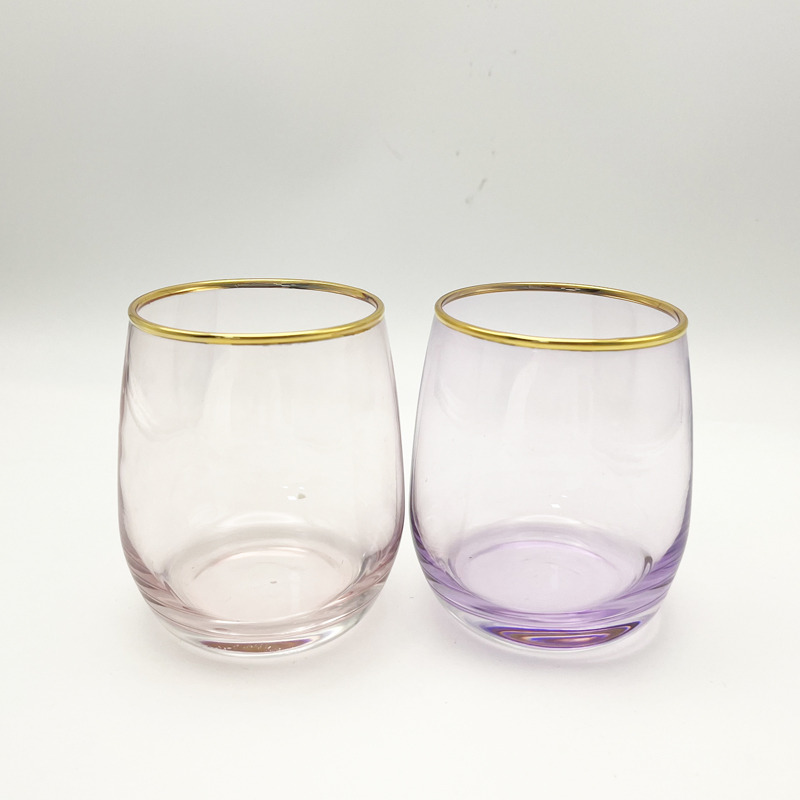
Conversely, stemless options carry notable adoption risks. Stemless wine glasses lack a stem and sit completely flat on the dining table. Because they mimic the shape of a standard water tumbler, hosts subconsciously pour them like water. It is remarkably common to see an 8 to 10-ounce pour in a stemless glass. This single pour represents two full standard drinks.
When purchasing new items for your home, you must weigh multiple factors. You need to balance aesthetic preferences against practical portion control.
Feature | Traditional Stemmed Glass | Modern Stemless Glass |
|---|---|---|
Visual Pour Cues | High. The distinct bowl shape clearly marks the equator. | Low. Tumbler shape obscures volume estimation. |
Temperature Control | Excellent. Hands stay off the bowl, keeping wine cool. | Poor. Hand heat directly warms the wine. |
Durability | Fragile. Stems snap easily during washing. | Robust. Sits flat in dishwashers safely. |
Many consumers report feeling a distinct type of intoxication from wine. They describe it as warmer, heavier, or more relaxed compared to the energetic buzz of spirits or beer. We need to address the myth of the "wine drunk." Alcohol is chemically identical regardless of the source. However, the delivery method and accompanying compounds change how your body processes it.
Several chemical contributors exist specifically in wine. These non-alcohol compounds alter your physiological reaction:
Histamines: Found heavily in the skins of red grapes. They can trigger mild allergic reactions in some people, leading to congestion or a heavy-headed feeling.
Tannins: These polyphenols cause vasodilation. They widen your blood vessels, which lowers blood pressure slightly. This contributes directly to the relaxed, warm flush associated with red wine.
Sugar Content: Sweet wines and ports carry high residual sugar. They spike your blood sugar rapidly. This sugar rush can temporarily mask the immediate depressant effects of the alcohol. It often leads to an abrupt, exhausting crash later in the evening.
Pacing considerations also alter the perceived timeline of intoxication. Wine is traditionally sipped slowly over a heavy meal. You spread the alcohol absorption over a longer period compared to taking rapid shots of tequila. The presence of food in your stomach slows gastric emptying. This stretches out the metabolic process, creating a gradual, rolling buzz rather than a sharp spike.
Building a functional glassware collection requires careful shortlisting logic for buyers. You want to select pieces that elevate the sensory tasting experience without accidentally encouraging over-consumption.
Follow these capacity guidelines to build a smart inventory:
Everyday Use: Opt for universal glasses in the 12-15 ounce range. A 5-ounce pour looks substantial and visually satisfying in this size. It prevents the psychological urge to top off a half-empty glass.
Fine Dining and Tasting: Specialized 20-ounce Burgundy glasses are excellent for intense aeration. They unlock the complex aromas of delicate older vintages. However, they require highly disciplined pouring. Only bring these out when you intend to measure carefully.
Consider stemless practicality carefully. If you choose stemless wine glasses for casual patio settings or outdoor durability, select designs wisely. Look for options with a sharply tapered rim. The inward curve naturally restricts the visual space, which helps prevent overpouring.
Take immediate next-step actions to improve your hosting setup. Audit your current glassware cabinet tonight. Pull out your favorite glass and measure your typical, unthinking pour using a kitchen measuring cup. This simple exercise trains your eye instantly. If you discover your current set encourages unintentional bingeing, invest in correctly sized glasses.
Getting drunk is ultimately a strict biological calculation of ounces, ABV, and total body mass. It is not a simple, subjective count of physical glasses. You must separate the idea of a physical vessel from the medical reality of a standard drink.
Investing in correctly sized, high-quality wine glasses offers a simple behavioral fix. It helps enforce the 5-ounce standard pour effortlessly. By removing the optical illusions caused by massive bowls, you protect yourself and your guests from accidental overconsumption.
Encourage a shift in focus at your next gathering. Move away from the sheer quantity of alcohol consumed. Instead, focus entirely on the quality of the tasting experience, the pairing of flavors, and the joy of responsible hosting.
A: For many adults, consuming 2 to 3 standard 5-ounce glasses within a short timeframe (1-2 hours) can easily exceed the 0.08% limit. Variables like weight, sex, and metabolism heavily influence this. Always test your BAC if possible, or secure a designated driver to ensure complete safety.
A: Yes. Food in the stomach, particularly complex proteins and fats, slows gastric emptying. This delays the rapid absorption of alcohol into the small intestine and bloodstream. Drinking on an empty stomach causes a much faster, sharper spike in your overall BAC.
A: Not necessarily by total volume. However, their flat, tumbler-like shape often lacks the distinct visual cues of a traditional stemmed bowl. This missing equator frequently leads to 20-30% larger average pours, simply because the user isn't paying close attention to the rising liquid line.


