
Views: 0 Author: Site Editor Publish Time: 2026-06-21 Origin: Site


You stare at yesterday's leftovers on a cold plate. Hesitation quickly sets in. You wonder if reheating this meal will result in shattered glass, a ruined appliance, and an unsafe dinner. This fear is common and entirely justified.
Glass usually beats plastics and styrofoam for food storage. Plastic containers warp under high heat. Styrofoam often leaches undesirable chemicals into your meals. However, assuming every piece of glass can universally withstand microwave radiation is a dangerous misconception. Using the wrong container leads to sudden explosions and severe burns.
We built this guide to give you an evidence-based framework. You will learn how to evaluate your existing kitchen items safely. You will also discover exactly how to test containers at home. By the end, you will confidently make informed purchasing decisions when upgrading to durable, microwave-safe Glassware.
Material Matters: Borosilicate and tempered glasses handle heat expansion well; standard soda-lime glass does not.
Verification is Mandatory: Rely on the manufacturer's "wavy line" symbol or specific home-testing methods before use.
Heat Transfer Reality: Microwaves heat the food, not the glass—but superheated food will conduct heat rapidly back into the container, requiring protective handling.
Contextual Limits: "Microwave safe" does not mean immune to thermal shock, nor does it mean "oven safe."
Microwaves heat food by exciting water molecules. The process creates rapid internal temperature changes. If your container cannot handle these shifts, it will fail.
The Core Risk (Thermal Stress)
Thermal stress occurs when different parts of an object expand at different rates. Microwaves heat food unevenly. This creates severe hot spots. When a localized area expands rapidly while the surrounding material stays cool, internal tension builds. If the material cannot stretch uniformly, this stress causes catastrophic fracturing. You hear a loud pop, and your meal is ruined.
Manufacturing Flaws
Lower-quality items often hide microscopic defects. Manufacturers might leave tiny air bubbles inside the vessel wall. They might also produce walls with variable thickness. These imperfections act as stress multipliers. As the material undergoes thermal expansion, thinner areas heat differently than thicker areas. Microscopic air bubbles expand, creating intense pressure pockets that shatter the vessel.
The Dry-Heating Danger
Heating a completely empty container is incredibly risky. The same rule applies if you allow a liquid to evaporate entirely. Normally, food or water absorbs the microwave energy. Removing this energy-absorbing medium forces the appliance to redirect stress. The radiation bounces around, overheating the appliance walls and potentially stressing the container itself.
Metallic Inclusions
Never ignore decorative elements. Trace metals often exist in painted patterns, metallic rims, or colored glazes. Microwaves interact violently with metals. The radiation causes free electrons in the metal to move rapidly. This generates sudden arcing, sparking, and intense localized overheating. A tiny gold rim can easily start a fire.
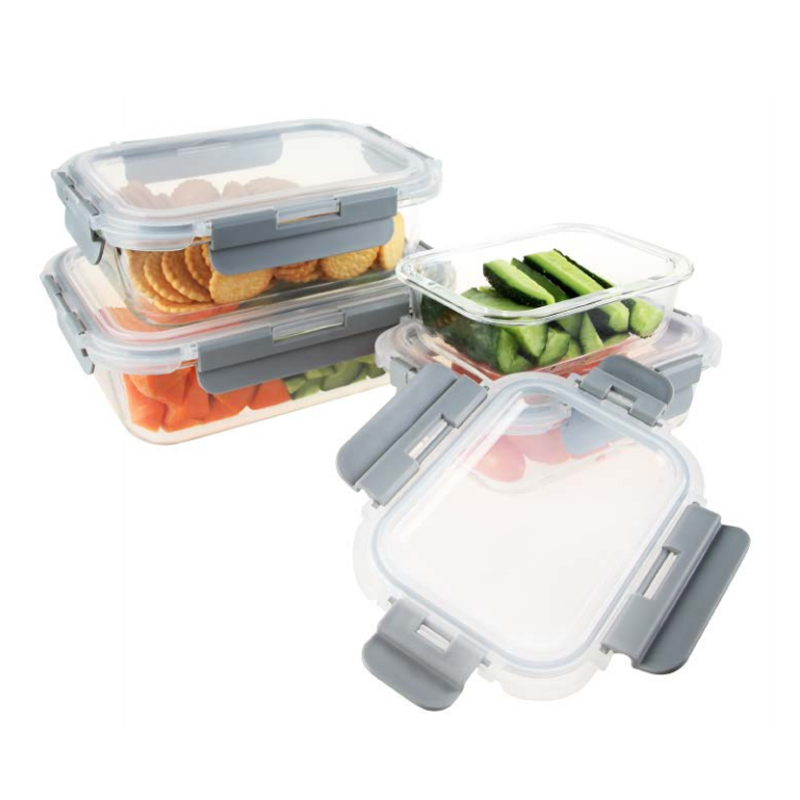
Not all materials survive the kitchen environment equally. Understanding the chemical composition of your containers prevents costly accidents. We classify these materials into three primary tiers.
Material Type | Thermal Resistance | Primary Risk Factor | Best Use Case |
|---|---|---|---|
Borosilicate | Excellent (High) | Extreme physical drops | Heavy-duty meal prep, baking, freezing. |
Tempered | Good (Moderate) | Micro-cracks, chipped edges | Everyday dining, standard reheating. |
Soda-Lime | Poor (Low) | Thermal shock (breaks easily) | Cold drinks, decorative storage only. |
Borosilicate (The Gold Standard)
Engineers design borosilicate for laboratories. It boasts exceptional resistance to extreme temperature changes. This material contains boron trioxide, which minimizes its coefficient of thermal expansion. It rarely shatters from thermal shock. It remains the absolute best choice for heavy-duty meal prep and long-term storage containers.
Tempered Glass (The Durable Standard)
Manufacturers heat-treat this material to increase its physical strength. It withstands drops and bumps better than untreated alternatives. However, it harbors a hidden vulnerability. If you chip an edge or cause a micro-crack, the internal tension becomes unbalanced. A damaged tempered dish can explode unexpectedly during reheating. It serves well for everyday dinnerware and standardized bakeware, provided it remains undamaged.
Soda-Lime Glass (The High-Risk Category)
Most cheap household items use soda-lime. It costs very little to produce. Unfortunately, it proves highly prone to shattering. Temperature shifts as small as 16°C (60°F) can destroy it. You must keep this material strictly for cold storage. You commonly find it in decorative jars and inexpensive drinking vessels. Never place it in a microwave.
Never rely on guesswork. You need a reliable system to check your items. Follow these practical steps to evaluate your glass bowls and glass cups before you hit the start button.
Step 1: The Visual Certification Check
Pick up the vessel and inspect the bottom. You are looking for an industry-standard symbol. Most approved items feature wavy lines, a small microwave icon, or explicit text stating "Microwave Safe". If you see this mark, the manufacturer guarantees its performance. If the bottom remains blank, proceed with extreme caution.
Step 2: The 1-Minute Water Test (For Unmarked Items)
You can execute a standard verification protocol at home. Take a trusted, microwave-safe mug. Fill it with water. Place this water-filled mug inside the appliance. Next, place your empty, unmarked test vessel right next to it. Heat them together on high for exactly one minute.
Evaluation criteria: Carefully touch the empty test vessel. If the empty item feels hot to the touch, it is absorbing microwave radiation. It is unsafe. You must discard it from your heating rotation. If it remains at room temperature while the water becomes hot, it is generally safe for reheating.
Step 3: The Magnet Test
Sometimes you encounter painted or vintage items. These often hide metallic compounds beneath colorful glazes. Grab a strong kitchen magnet. Run it along the decorative rims and painted sections. If you feel any magnetic pull, the paint contains reactive metals. Exposing this item to microwave radiation will cause dangerous sparking.
Even approved materials require responsible handling. User error frequently causes accidents that people wrongly blame on the material itself.
The 3-Minute Benchmark
Industry manufacturers share a general consensus on heating durations. Continuous microwave heating should rarely exceed three minutes. If you need more time, pause the cycle. Stir the food thoroughly. Check the temperature. Prolonged, uninterrupted cycles create severe hot spots in thick foods, which strains the container base.
Managing Reverse Heat Transfer
Many users misunderstand how heating works. The appliance does not heat the dish itself. Instead, it aggressively heats the food. Superheated food then transfers intense thermal energy directly into the vessel. A bowl of soup reaching 200°F will instantly turn the bowl scorching hot. Always mandate the use of thick oven mitts. Never grab a freshly heated bowl bare-handed.
Mitigating Thermal Shock
Even the finest materials face physical limits. Never move items directly from a freezing environment into a high-heat environment. Taking a frozen meal straight to the microwave invites disaster. Gradual temperature acclimation is absolutely required. Let the frozen container sit on the counter for ten minutes. Use the defrost setting before applying full power.
Lid and Accessory Warnings
Pay close attention to multi-material products. A container base might handle extreme temperatures perfectly. However, attached plastic lids or silicone seals possess entirely different thermal limits. Many lids warp, melt, or release chemical fumes when heated. Always remove restrictive lids. If you must cover food to prevent splattering, rest the lid loosely on top. Never snap it completely shut.
People often confuse appliance capabilities. They assume a tough dish survives anywhere. This assumption ruins kitchens.
Dispelling the "Universal Heat" Myth
The "Microwave Safe" label strictly applies to radiation heating. It means the material lets microwaves pass through without absorbing them. It does absolutely not mean "Oven Safe". Ovens use ambient radiant heat. They bake the container from the outside in. Many microwave-approved items will melt or shatter under the direct broiler heat of a conventional oven.
The Toaster Oven Threat
Small electric toaster ovens present unique dangers. They heat up incredibly fast. Their internal heating elements sit very close to the cooking rack. This proximity creates uneven, harsh heat distribution. This environment is uniquely dangerous to glassware. Do not use your standard microwave items in a small toaster oven unless the manufacturer explicitly approves it.
Cool-Down Protocols
Post-heating care prevents sudden disasters. The critical danger arrives when you place hot items on wet or highly conductive surfaces. Granite countertops or damp dish towels force rapid, localized cooling. The bottom of the dish shrinks instantly while the sides remain expanded. This triggers instant, explosive shattering. Always place hot items on dry wooden cutting boards or dedicated silicone trivets.
When you decide to replace aging containers, shop smart. Avoid generic bulk sets. Instead, apply strict criteria to build a resilient kitchen.
Prioritize Purpose-Built Designs: Shortlist brands that practice transparency. Look for packaging that explicitly states the manufacturing material. Products proudly labeled as "borosilicate" generally outperform generic labels. You want engineering, not just marketing.
Assess Wall Uniformity: Inspect the physical build of the item. Look closely at the sides and the bottom. You want consistent thickness from the base straight up to the rim. Uniform walls ensure even heat distribution. Uneven, lumpy walls create thermal stress zones.
Avoid Mixed-Material Accents: Keep your reheating tools simple. Steer clear of metallic rims. Avoid painted logos entirely. Skip items featuring glued-on handles or decorative metal sleeves. If the primary use case involves daily reheating, simplicity ensures absolute safety.
Warranty and Replacement Policies: Reputable brands back their products. They guarantee thermal performance. A strong warranty offers a powerful signal of trustworthiness. It proves the manufacturer tests their materials rigorously against thermal shock.
Reheating food does not have to be an unpredictable hazard. Microwaving glass remains highly safe and heavily preferable to plastics. You merely need to verify the material and respect thermal shock limits. You now understand why temperature swings cause fractures and how to spot safe materials easily.
Take action today. Audit your current kitchen cabinets. Pull out all your food storage items. Discard unmarked, chipped, or heavily decorated items from your daily heating rotation. They belong in cold storage. Finally, invest in certified, clearly labeled materials. A reliable set of heat-resistant containers will protect your meals, appliances, and family for years to come.
A: It depends on the coloring method. Solid tinted glass, where the dye mixes into the raw material, is generally safe. However, painted, glazed, or coated colors often contain reactive trace metals. These metals can spark and cause localized overheating. Always test painted items carefully or avoid microwaving them entirely.
A: You should never microwave a chipped item. Chips and micro-cracks severely compromise structural integrity. When the material expands under heat stress, the internal tension focuses directly on that weak point. A chipped cup is highly susceptible to breaking or exploding abruptly during a heating cycle.
A: Doing this risks severe thermal shock. Going from cold temperatures to rapid high heat causes uneven expansion, leading to fractures. Always let the container rest at room temperature briefly. Alternatively, use a lower power setting for the first minute to acclimate the material safely.


