
Views: 0 Author: Site Editor Publish Time: 2026-06-17 Origin: Site


You place leftover food in the appliance, hit start, and cross your fingers. Many of us experience this familiar kitchen anxiety. We fear our containers might shatter, explode, or cause severe burns when reheated. Reheating meals safely requires reliable materials. Glass generally outperforms plastic and Styrofoam for daily kitchen use. It does not warp under high heat. It also prevents harmful chemicals from leaching into your food.
However, the label "microwave-safe" is never a universal guarantee. You cannot treat every container equally. Safely heating items requires a deep understanding of specific material properties. You must know exactly what your glass bowls and glass cups are made of. You must also recognize physical limits like thermal shock. Following strict heating protocols ensures a much safer kitchen environment. This guide will teach you how to evaluate, test, and confidently heat your favorite containers.
Material matters: Borosilicate and tempered glass are engineered for heat, whereas standard soda-lime glass is highly susceptible to thermal shock.
Look for the label: Always check for the manufacturer’s "wavy lines" microwave-safe symbol; default to treating unmarked items as unsafe.
The 3-Minute Rule: Even with approved materials, manufacturers and appliance experts strongly advise limiting continuous heating to three minutes.
Test before trusting: You can verify unmarked glassware using a simple 1-minute water absorption test at home.
Why do seemingly solid objects suddenly explode in the kitchen? The primary culprit is thermal stress. Experts often call this phenomenon thermal shock. It occurs when a material experiences rapid temperature changes. Typical soda-lime materials handle these shifts very poorly. A sudden temperature differential over 16°C (60°F) creates critical internal danger. Moving a cold dish directly from the fridge into a high-powered appliance usually guarantees structural failure.
Next, we must consider manufacturing imperfections. Factory processes sometimes trap microscopic air bubbles inside the material during production. These tiny bubbles expand rapidly when subjected to intense energy. They create extreme localized stress points inside the walls. The rigid surrounding structure simply cannot accommodate this rapid expansion. Structural failure happens almost instantly.
Thickness variability also plays a huge role in kitchen accidents. Unevenly blown items heat up at completely different rates. A thick base might remain relatively cool while thin walls reach boiling temperatures. This disparity forces the material to pull against itself aggressively. Cracking becomes an inevitable outcome.
Finally, you must constantly watch out for hidden metals. Decorative metallic trims or paints reflect radiation instantly. This reflection causes intense arcing. You might see bright sparks or even start a kitchen fire. Any piece of Glassware featuring gold rims or silver patterns belongs far away from your appliance. We highly recommend inspecting vintage items carefully before use.
Not all materials perform the same under pressure. You must identify what sits in your cabinets. Understanding the three main categories will help prevent dangerous kitchen accidents.
This material dominates professional laboratory environments for very good reasons. It consists primarily of silica and boron trioxide. This unique chemical makeup provides exceptional resistance to thermal shock. Borosilicate handles extreme temperature ranges effortlessly. You can typically use it safely from -40°C up to 400°C (-40°F to 752°F).
Best use case: It represents the safest option for heavy-duty kitchen prep. You should rely on it for long-term food storage and intense reheating cycles.
Manufacturers heat-treat this material to boost its overall durability. It safely handles standard reheating tasks perfectly well. It survives minor drops better than untreated alternatives. However, it carries a unique and hidden risk. It can shatter explosively if it harbors pre-existing micro-cracks. Even tiny chips compromise its structural integrity entirely.
Best use case: Everyday dinnerware and casual reheating. Always inspect it closely for physical damage before heating.
You find this specific material everywhere in modern homes. It makes up cheap beverage containers, colorful bottles, and standard storage jars. Unfortunately, it reacts violently to sudden heat variations. It lacks the boron trioxide needed for thermal stability.
Verdict: Keep it out of your appliance. Avoid heating it unless explicitly labeled safe by the original manufacturer.
Glassware Material Comparison Chart | |||
Material Type | Thermal Shock Resistance | Common Uses | Safety Verdict |
|---|---|---|---|
Borosilicate | Extremely High (-40°C to 400°C) | Premium glass bowls, lab equipment, baking dishes | Highly Safe (Gold Standard) |
Tempered | Moderate (Resists standard heat) | Everyday plates, standard drinking cups | Safe (Beware of micro-cracks) |
Soda-Lime | Very Low (Cracks easily under temperature shifts) | Cheap bottles, mason jars, colored cups | High Risk (Avoid generally) |
You might own several unmarked containers. You probably threw away their original packaging years ago. Throwing them out seems wasteful, but guessing is dangerous. Fortunately, you can verify unmarked items easily. We highly recommend using a simple water absorption test at home. This standard operating procedure helps identify unsafe pieces quickly.
Follow this exact standard operating procedure (SOP) to test unverified items safely:
Find a known microwave-safe measuring cup. Fill it with exactly one cup of tap water.
Place the empty container you want to test inside the appliance. Place the water-filled measuring cup right next to it. Do not pour the water into the empty container.
Set the appliance to run on its highest power setting for exactly 1 minute.
Carefully evaluate the physical results. Touch the empty container cautiously. If the empty container feels hot, it absorbs radiation directly. It is unsafe. If it remains at room temperature while the water gets hot, it is safe.
Testing for radiation absorption solves only one problem. You must also check for structural and hidden flaws. We recommend inspecting older items under bright lighting. Look closely for hairline fractures along the rim or base. Even the smallest crack expands under heat.
Next, grab a strong refrigerator magnet. Run it along the rims, decorative elements, and lids. Some vintage items hide metallic hardware under thick paint. If the magnet sticks, the item contains metal. You cannot heat it safely.
Owning the right materials solves only half the equation. User error causes the majority of kitchen accidents. You must follow strict operational guidelines. Changing your daily heating habits prevents unexpected explosions and severe burns.
Appliance experts agree on one crucial guideline. You should limit continuous heating times. Manufacturers strongly advise capping continuous operations at 3 minutes. This rule protects both your containers and the internal appliance components. Pushing past three minutes increases the risk of thermal overload significantly.
Continuous blasting creates dangerous localized heat spikes. We advise users to heat food in short, controlled bursts. Try running the appliance in 60-second intervals instead. Pause the machine, open the door, and stir your food thoroughly. Stirring redistributes the thermal energy evenly. This prevents boiling pockets from cracking the surrounding walls.
Dry heating presents a massive danger in any kitchen. You must never run the appliance with an empty container inside. The lack of moisture spells disaster. Moisture absorbs the internal radiation safely. Without food or water, the energy focuses entirely on the container's structure. This severely increases explosion risks. Similarly, avoid heating foods with extremely low moisture content for long periods.
Many people misunderstand how safe materials work. True microwave-safe items do not absorb radiation. However, they absolutely absorb extreme heat from the boiling food inside them. The physical transfer of thermal energy happens quickly.
Common Mistakes to Avoid:
Grabbing a hot bowl barehanded immediately after the timer stops.
Placing a boiling hot container directly onto a cold granite countertop.
Forgetting to remove airtight plastic lids before starting the timer.
Ignoring tiny chips along the rim of your favorite cups.
We mandate the use of heavy-duty oven mitts. Always place hot items onto a dry towel or a wooden cutting board. This prevents a secondary thermal shock reaction.
Your old cabinets probably hold outdated or dangerous items. Upgrading your kitchen tools improves daily safety. When shopping for replacements, you need clear criteria. Knowing what to look for saves money and prevents future accidents.
Never rely on a salesperson's verbal promise. You must teach yourself to identify compliance symbols. Turn the container upside down. Look for the universal "wavy lines" icon stamped into the bottom. Sometimes, manufacturers stamp explicit "Microwave Safe" text directly onto the base. If you see absolutely no markings, assume the item is completely unsafe. Leave it on the store shelf.
Smart buyers focus on material composition above aesthetics. We highly recommend shortlisting brands that advertise transparency. Look for companies that explicitly state their glass bowls consist of high-borosilicate material. This material costs slightly more upfront. However, it lasts significantly longer than cheaper alternatives. It withstands daily abuse without degrading or cracking.
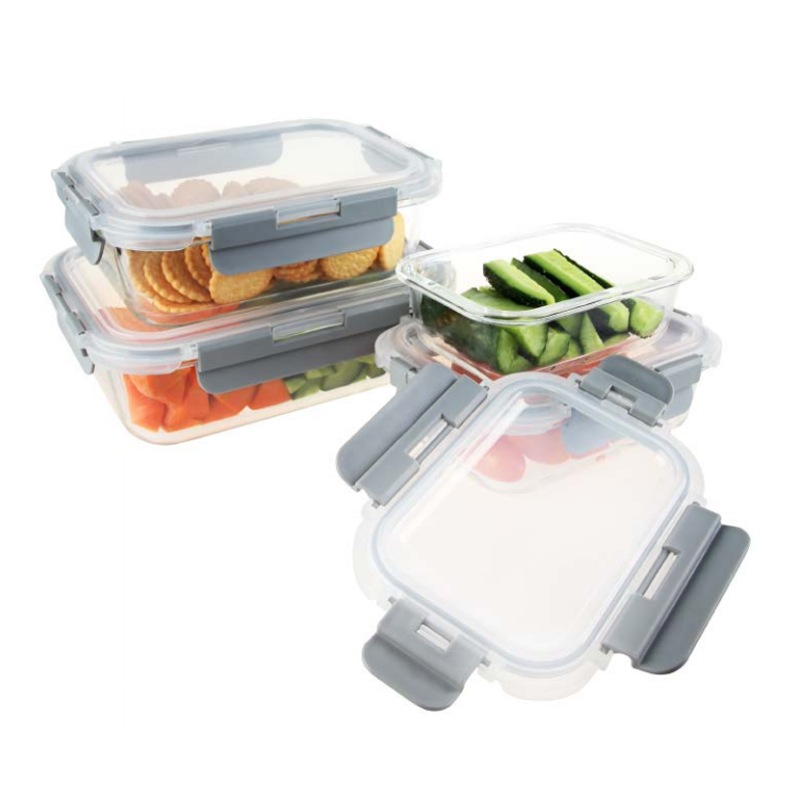
Modern storage sets usually come with matching accessories. You must evaluate these components separately. Even if the main body is perfectly safe, the lid might fail. Accompanying plastic lids often warp under moderate heat. Metal clasps cause intense arcing immediately. Silicone seals degrade quickly if exposed to boiling fats.
Remind yourself to separate these components. You should usually remove all lids and seals before heating your food. Use a vented cover designed specifically for appliance use instead.
Safely reheating food requires attention to detail. Glass remains a non-toxic, structurally superior alternative to cheap plastic. It cleans easily and preserves food flavors perfectly. However, the user must always act as the final quality-control checkpoint. You cannot trust unverified materials blindly.
We encourage you to audit your current kitchen cabinets today. Discard any heavily chipped or cracked items immediately. Run the 1-minute water test on your favorite unmarked containers. Finally, confidently invest in high-borosilicate replacements for your daily culinary needs. By following these strict protocols, you eliminate anxiety and ensure lasting kitchen safety.
A: You can only do this safely if the container features high-quality borosilicate. Standard materials will likely suffer extreme thermal shock and shatter instantly. You should always allow standard containers to reach room temperature before applying any heat. Waiting ten minutes prevents messy and dangerous kitchen accidents.
A: Generally, they are not. Manufacturers typically make them using basic soda-lime materials. This specific composition handles rapid heat shifts very poorly. Furthermore, colored decorative items often feature uneven thickness or hidden structural flaws. We highly recommend keeping them away from your appliance entirely.
A: Do not open the appliance door immediately. Allow any airborne dust to settle completely. Unplug the machine from the wall to prevent accidental starts. Wear thick protective gloves before reaching inside. Remove the large pieces carefully. Use a damp paper towel to pick up invisible micro-shards. Inspect the interior thoroughly before reusing it.


